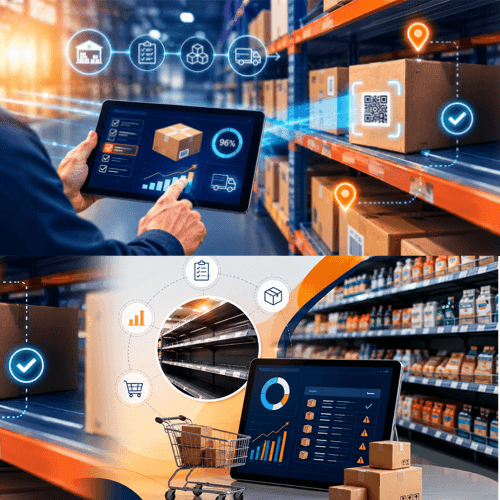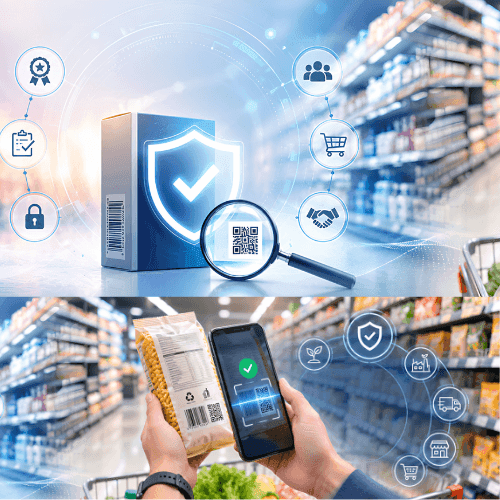

A retailer receives a complaint about the quality of a batch of fresh vegetables. The immediate question is simple: Which farm did it come from? The answer, however, is often anything but simple. The produce may have passed through collection centres, pack houses, transporters, distributors, and retail warehouses before reaching the shelf. If information is missing at any stage, tracing its journey becomes a time-consuming exercise. For fresh produce businesses, this is more than a visibility issue. Delays in identifying the source of a product can slow investigations, increase food waste, disrupt retailer relationships, and affect consumer confidence. As supply networks become larger and more interconnected, transparency is becoming a business necessity rather than a competitive advantage.
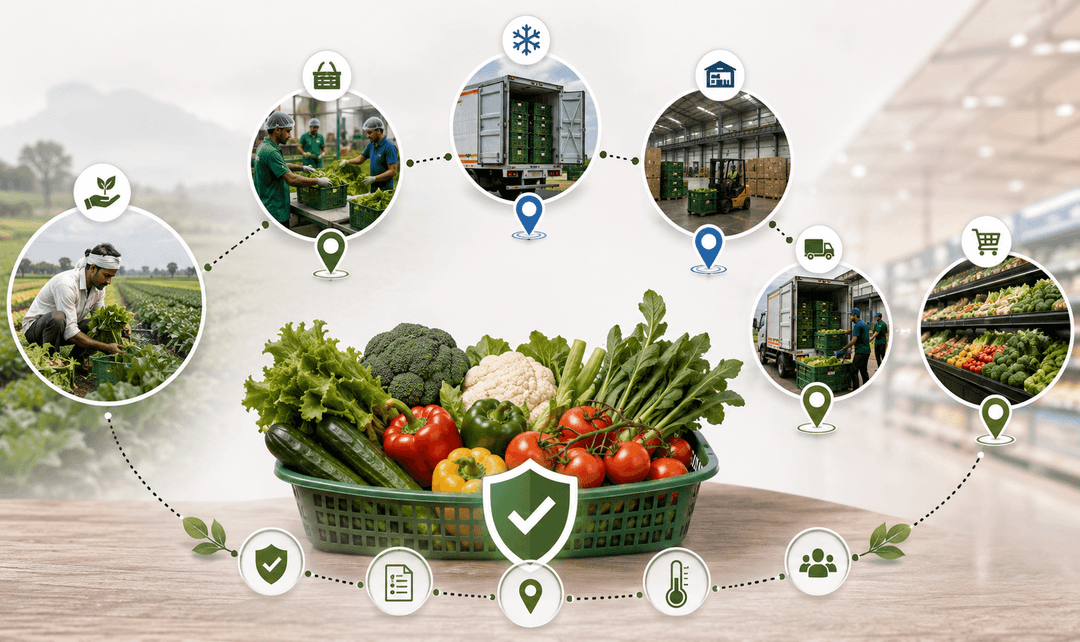
Unlike packaged goods, fresh produce moves through multiple handling points within a short period.
Harvest schedules change with weather conditions, products are consolidated from different farms, and shipments are often divided before reaching retailers. Every movement creates another point where information can become incomplete or inconsistent. This is why businesses are investing in stronger supply chain and logistics practices to ensure product information remains connected as produce moves from farms to distribution centres and retail shelves. The challenge is not moving products quickly; it is ensuring the information moves with them.
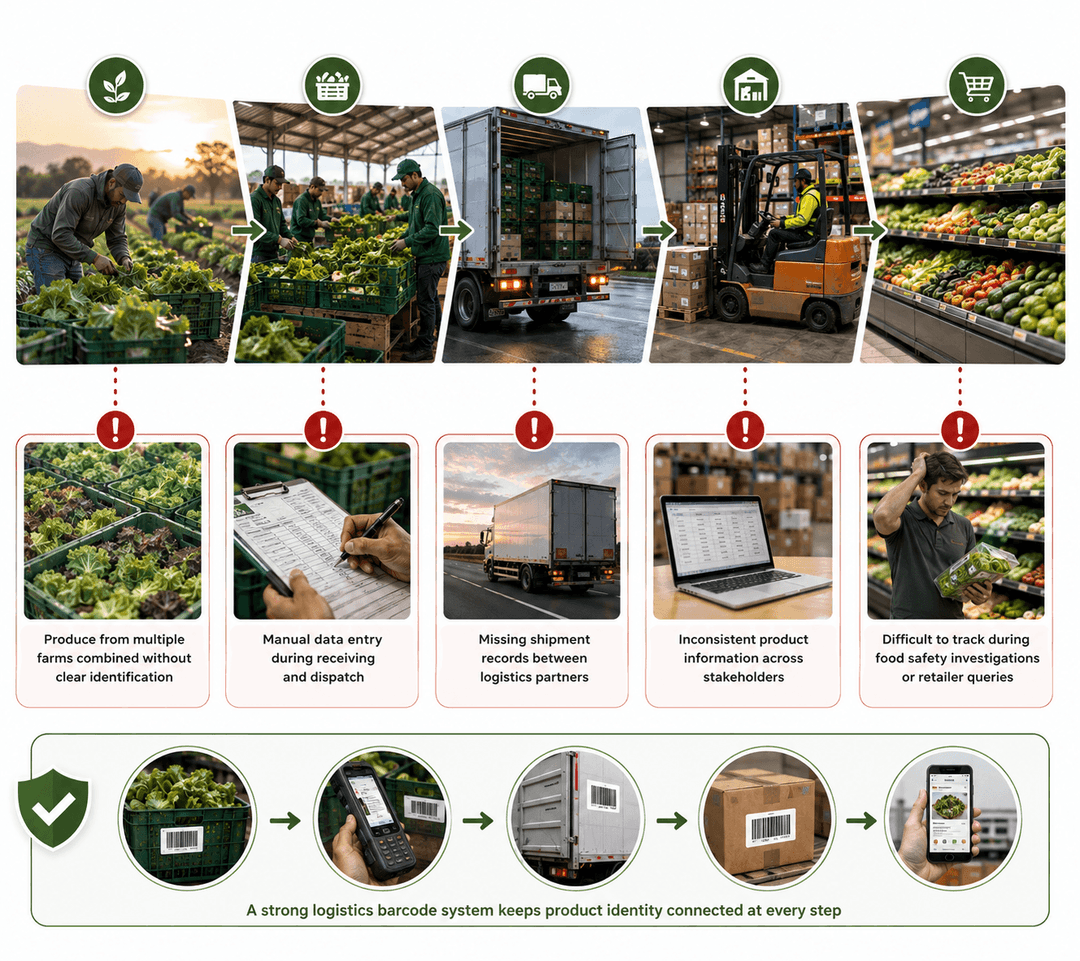
Most transparency issues begin long before products reach retailers.
Common gaps include:
These gaps become particularly difficult during food safety investigations or retailer queries, where businesses need immediate access to reliable product movement records. A well-designed logistics barcode system helps maintain product identity across different handling points, reducing the need for manual verification and improving information accuracy throughout the journey.
Retailers, regulators, and consumers increasingly expect businesses to identify where products originated and how they moved through the supply chain. When that information is unavailable, the consequences extend beyond compliance.
Businesses may experience:
Many organisations are strengthening their logistics management system to improve coordination between growers, pack houses, transport partners, and retailers, ensuring product information remains consistent throughout the journey.
Building transparency does not always begin with new technology. It often begins with better operational discipline.
Businesses should review:
Companies strengthening supply chain and logistics operations at these stages are generally better positioned to respond to retailer requests, investigate quality concerns, and reduce unnecessary operational delays.
It helps businesses quickly identify product origin, respond to quality concerns, and improve food safety.
They commonly occur during harvesting, packing, transportation, and handovers between supply chain partners.
They help maintain product identity and reduce manual errors throughout the distribution process.
No. Technology is effective only when supported by accurate and consistent product data.
By improving product identification, data accuracy, shipment tracking, and collaboration across supply chain partners.
Your email address will not be published. Required fields are marked *