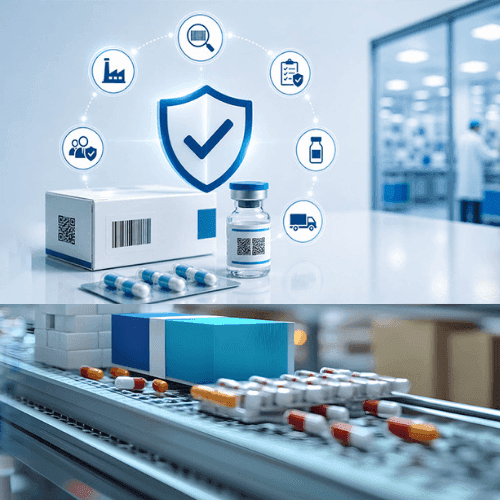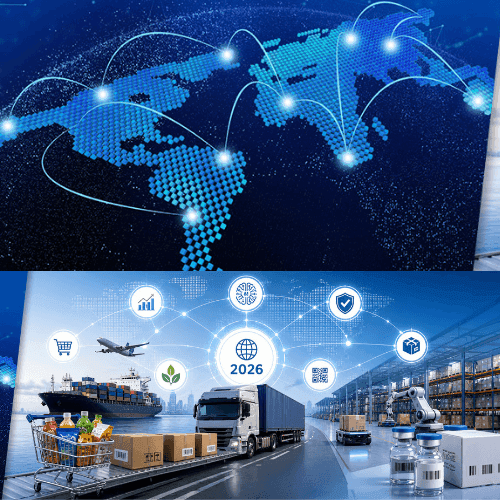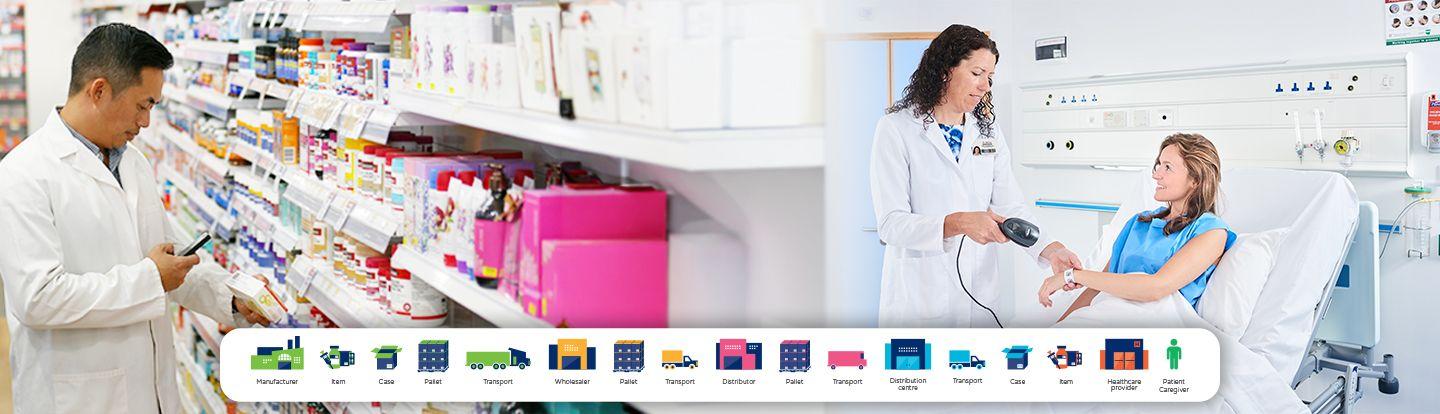

Ensuring that safe medicines reach patients in a complex pharmaceutical ecosystem can be demanding. In today’s world, concerns around counterfeit and substandard drugs are on the rise. Without proper visibility, medicines may be lost, mishandled, or falsified before they even reach the patient. Medical supply chain transparency is critical. By enhancing product visibility across the pharmaceutical supply chain, we can ensure safety, trust, and compliance. The implementation of track and trace systems strengthens visibility, providing the necessary checks to prevent errors and ensure authenticity. In this blog, we’ll explore what end-to-end visibility means in pharma, how it enhances patient safety, the role of track and trace pharma systems, and best practices for implementation.
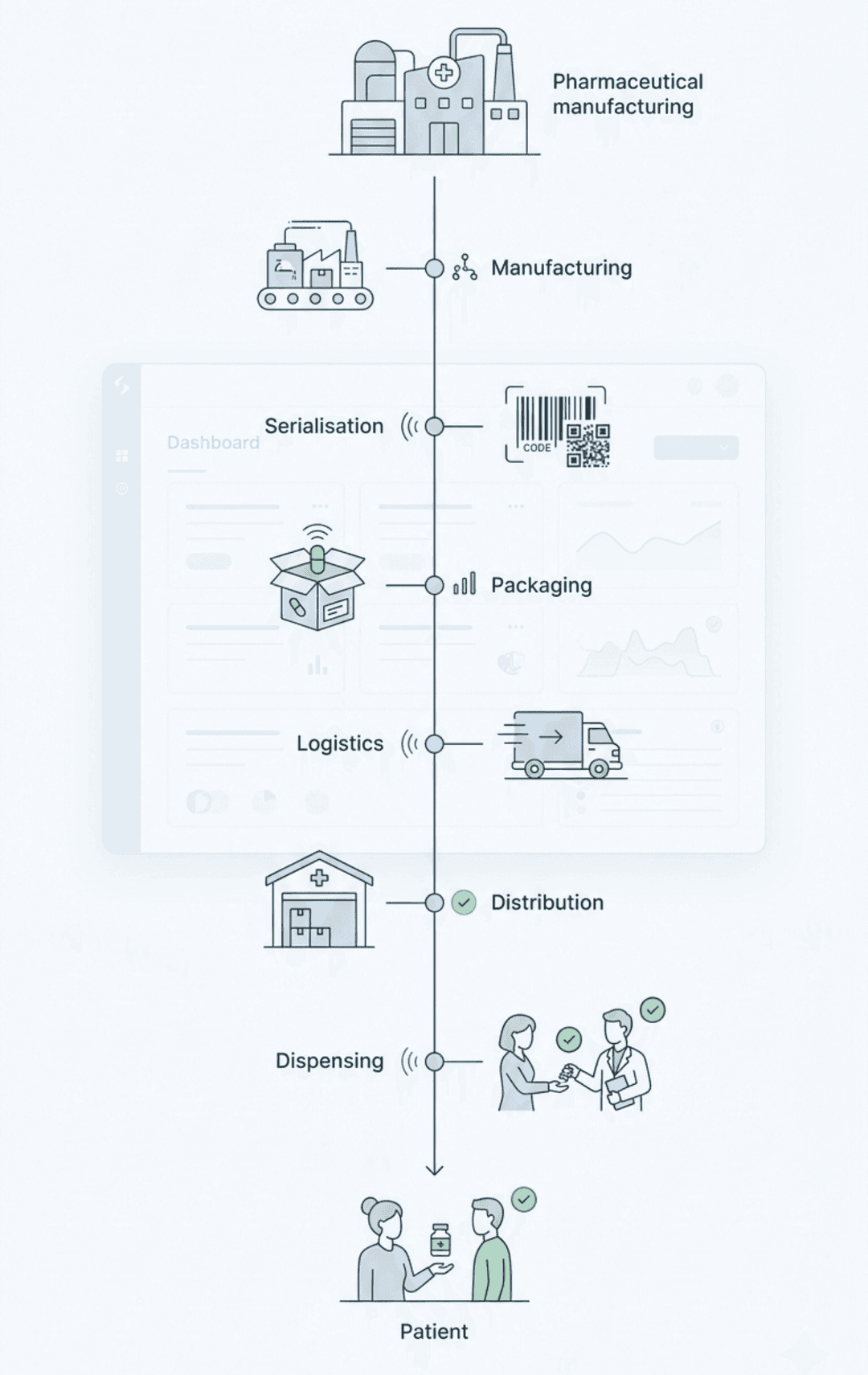
End-to-end visibility in pharma refers to tracking a product throughout its journey, from manufacturing all the way to the patient. This includes data on the product’s serialisation, packaging, logistics, distribution, and dispensing.
The key components of end-to-end visibility are:
Real-time visibility at each step allows stakeholders to detect anomalies or deviations early, improving the overall quality control and safety of pharmaceutical products. This is the core of medical supply chain transparency, ensuring drug quality and accountability across the entire ecosystem. Track and trace pharma systems, which capture detailed movement and event data, enable such visibility and make the supply chain accountable at each step.

Without visibility, there is an increased risk that counterfeit or substandard medicines will enter the supply chain. This is particularly dangerous in sensitive sectors like pharmaceuticals, where patients rely on the efficacy of the products they receive.
Track and trace pharma systems help automate the capture of serialisation and movement data, improving traceability and safeguarding patients.
To build a robust end-to-end visibility system, there are several core components:
These components are critical for building a transparent, efficient, and accountable supply chain
Track and trace pharma systems are designed to automate the recording and reporting of product movement, from manufacturing to the point of care. Here’s how these systems improve patient safety:
The transparency offered by these systems builds confidence in the supply chain, reducing the risk of errors and improving patient safety.
Here are the key benefits of end-to-end product visibility for patient safety:
These benefits directly contribute to the safety of patients, ensuring they receive only high-quality, properly handled medicines.
Here’s how pharma companies can implement end-to-end visibility:
By implementing these steps, pharma companies can enhance patient safety through improved supply chain transparency.
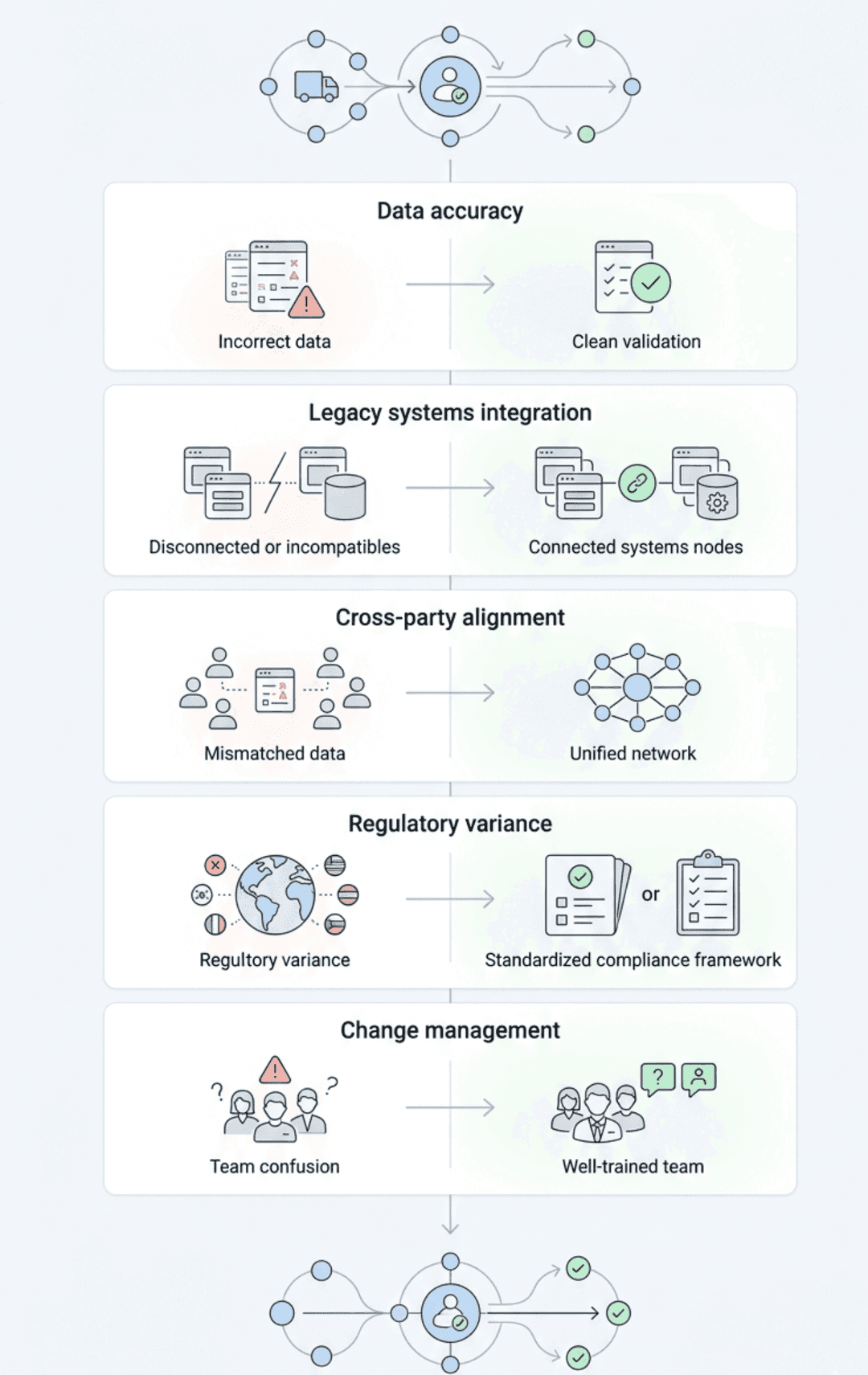
Despite its importance, achieving end-to-end visibility in the pharma supply chain comes with challenges:
By addressing these challenges early, companies can ensure smooth adoption of track and trace pharma systems and maintain high standards of patient safety.
It means tracking a product from manufacture to patient delivery, ensuring transparency at every step.
It ensures safe, authentic medicines, preventing errors, counterfeit drugs, and speeding up recalls.
It’s the process of recording product movements with unique identifiers, ensuring safety and authenticity.
Standards include serialisation, event data capture, and data sharing between stakeholders.
By using serialisation, adopting data standards, and integrating with traceability platforms.
Your email address will not be published. Required fields are marked *