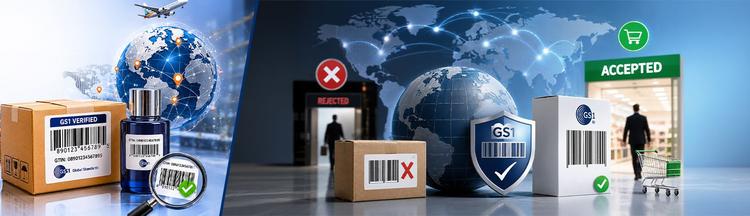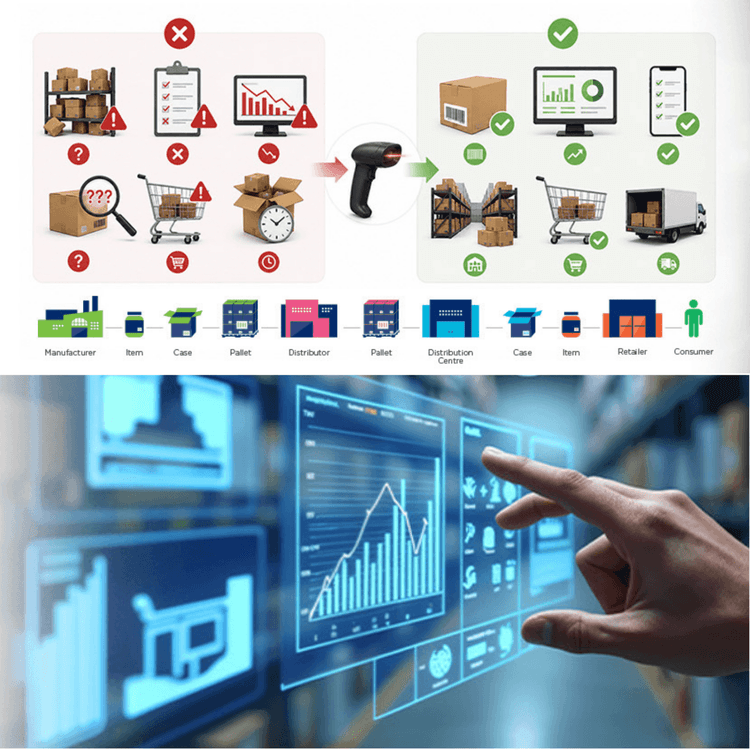

Your product may be top-tier, but if your product data is inconsistent or trapped in silos, you’ll face listing rejections, traceability gaps, and missed market opportunities. GS1 is the global system behind billions of daily product scans, powering trusted commerce and seamless digital experiences. In this ever-evolving landscape, the transition from 1D barcodes to 2D barcodes is underway, with the GS1 QR code standard leading the way. This transition is pivotal for businesses looking to stay ahead of the curve, ensuring compliance and enhanced customer engagement. Register a GS1 barcode for the first time, as it is an essential first step for businesses entering global supply chains and digital commerce ecosystems. Once registered, you can unlock the benefits of GS1 QR code standards confidently, positioning your brand for the future. This blog will guide you through the steps to register your GS1 barcode, adopt GS1 QR code standards, and seamlessly integrate them into your business.
GS1 is the only globally recognised neutral standards organisation for product identification. It provides a global system that standardises the identification of products, assets, and services, enabling smooth transactions across borders, sectors, and industries.
In India, GS1 India is the official organisation that issues barcodes starting with the “890” prefix. This ensures businesses operating in India meet global standards, facilitating trade and reducing the risk of errors. With GS1 QR code standards quickly becoming essential, businesses need to transition from traditional barcodes to these more sophisticated 2D barcodes.
The importance of adopting GS1 standards cannot be overstated. Businesses that adopt these standards gain interoperability, increased consumer trust, and a competitive edge in global markets. Additionally, with more retailers and e-commerce platforms preparing for the 2D migration, GS1 QR code standards will soon become indispensable for businesses aiming to stay ahead of global digital commerce trends.
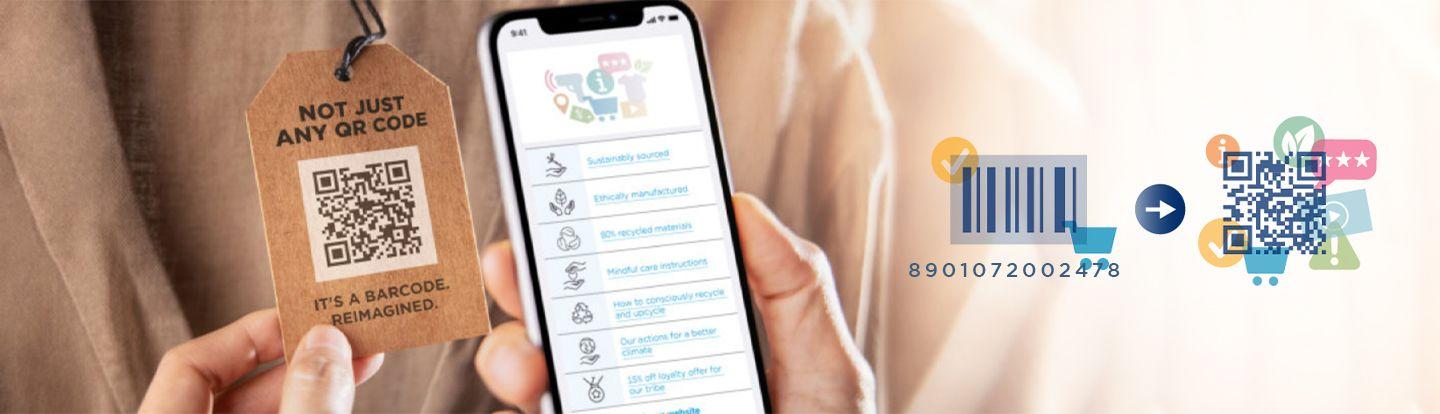
The GS1 QR code standard is a 2D barcode that encodes structured and standardised data. Unlike generic QR codes that have no global structure, GS1 QR codes are built on the foundation of GS1 Digital Link, which allows for richer data encoding. This includes essential product information such as GTIN, batch/expiry details, serial numbers, and even marketing links, all in one single code.
With GS1 QR codes, brands can:
The GS1 standardised system enables traceability, consumer trust, and seamless cross-border commerce. By adopting GS1 QR codes early, Indian businesses can stay ahead of the global 2D barcode migration timelines, positioning themselves as leaders in their respective markets.
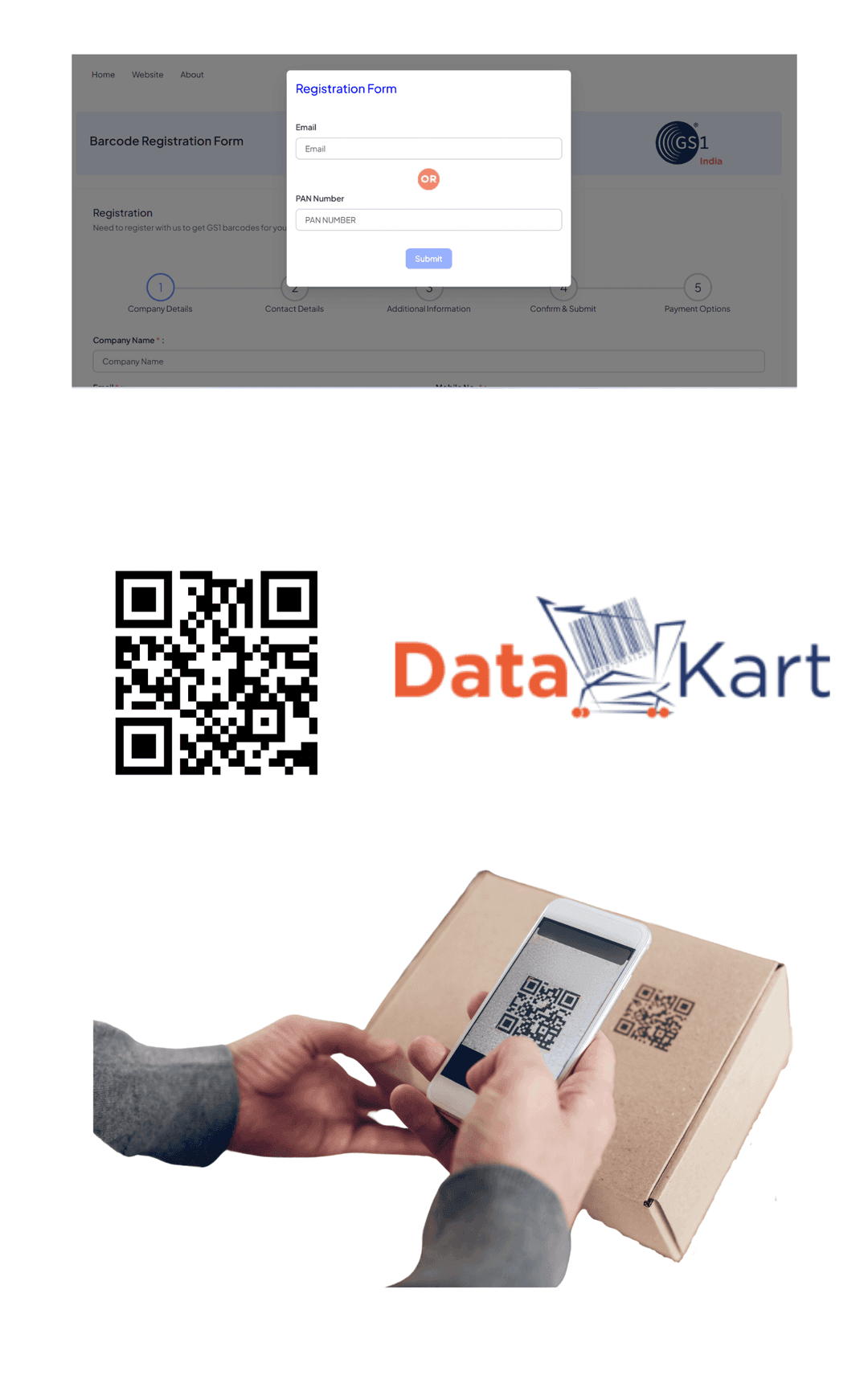
For businesses registering GS1 barcodes for the first time, the process is straightforward and vital for gaining access to global supply chains. Here’s what you need to do:
Benefits of registering GS1 barcodes for the first time:
GS1 QR code standard doesn’t just improve product identification; it transforms entire product journeys, from supply chain to consumer engagement. Here's how:
a) One Code for Everything - A single GS1 QR code combines supply chain data with consumer engagement information. This means one code can track the product’s journey, while also providing consumers with relevant details such as usage instructions, sustainability claims, and authenticity checks.
b) Supports Regulatory Requirements - In industries like food, pharmaceuticals, and cosmetics, GS1 QR codes can store batch/lot numbers, expiry dates, and other critical data, ensuring that products meet regulatory standards.
c) Enables Traceability & Transparency - When paired with GS1 identifiers, QR codes help brands trace products through the entire supply chain, ensuring full visibility and enhancing consumer trust.
d) Higher Digital Readiness - As the global market moves toward 2D barcodes, GS1 QR codes ensure your brand is ready for digital-first platforms. Major platforms are preparing for a 2D future, and early adoption places your business ahead.
e) Rich Consumer Touchpoints - By integrating product stories, ingredient sourcing, and more, GS1 QR codes engage consumers at a deeper level, creating brand loyalty and transparency.
Once you've registered GS1 barcodes for the first time, integrating GS1 QR codes into your product lifecycle is straightforward:
GS1 India provides detailed support, including implementation guidelines, for brands adopting GS1 QR codes and transitioning to 2D product identification.
The global shift from 1D barcodes to 2D GS1 QR codes is inevitable, and India’s retail, e-commerce, and FMCG sectors will soon follow. As product data grows richer, traditional barcodes won’t suffice.
GS1 QR codes support a wide range of business functions:
Adopting GS1 QR codes early positions Indian businesses as leaders, ensuring compatibility with global platforms and improving digital consumer engagement.
A 2D barcode that encodes GS1 standards-led data, enabling global traceability and consumer engagement.
Yes, you need to register a GS1 barcode to obtain a GTIN and create GS1 QR codes.
Yes, GS1 QR codes can replace 1D barcodes, offering richer data and better traceability.
GS1 Digital Link is a structured system for product data, unlike generic QR codes, which lack global standards.
Pharma, food, cosmetics, retail, and e-commerce benefit most from GS1 QR codes for traceability and compliance.
Your email address will not be published. Required fields are marked *