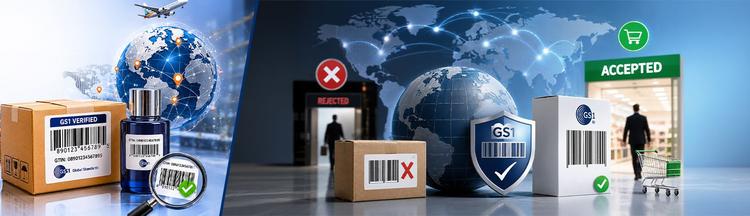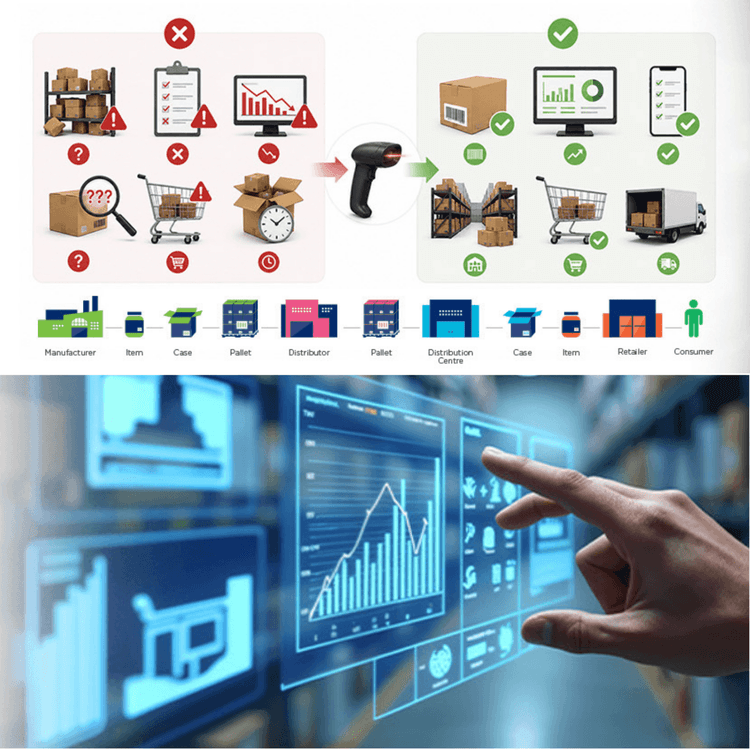

Imagine listing your product on an online marketplace, only to see it rejected due to an invalid code. This is a common issue many sellers face today. Whether products are sold in stores or online, everything depends on a valid barcode number. It is what systems use to identify, track, and validate products. This raises an important question. What does a barcode check actually mean, and how can you make sure your codes are correct? A barcode is more than just printed lines. It represents a unique identity for your product. In this blog, we explain how to verify your barcode, why it matters, and how you can avoid common mistakes.
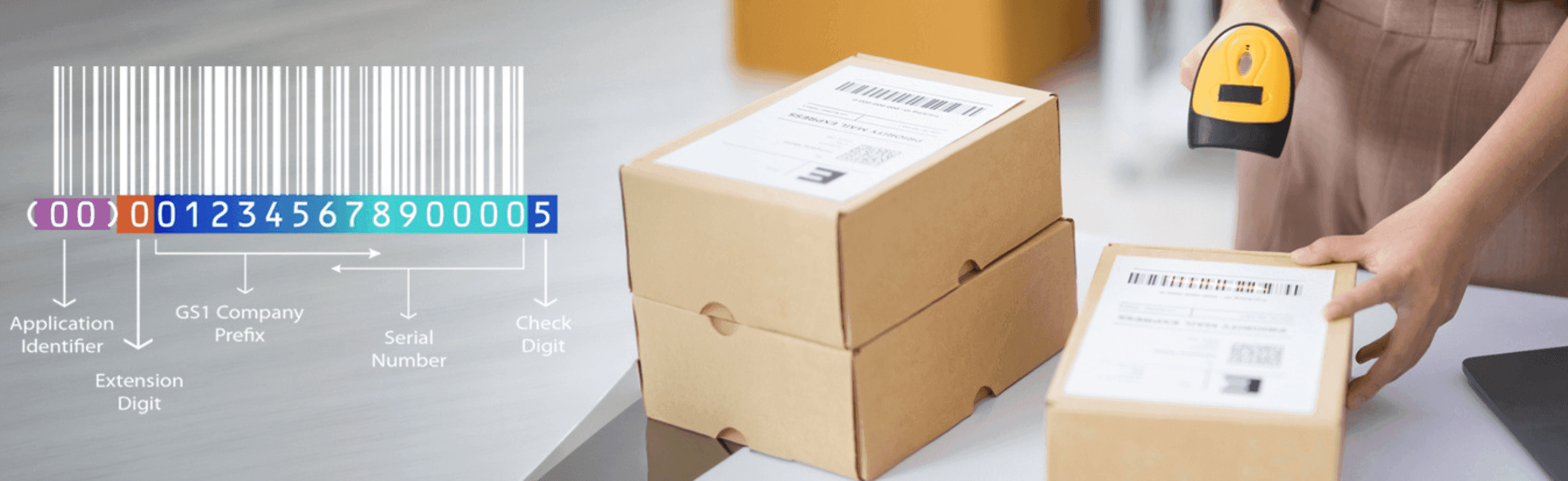
A barcode is a machine-readable symbol used to identify products. Behind this symbol lies a barcode number, which is a unique sequence of digits assigned to a product.
Retailers and online platforms use this number to:
A correct barcode number ensures:
If the barcode number is incorrect, duplicated, or unregistered, it can lead to errors and listing failures. This is why performing a proper barcode check becomes essential.
A barcode check is the process of verifying whether a barcode number is valid and correctly linked to a product. It goes beyond scanning. While scanning reads the code visually, a barcode check confirms whether the number is legitimate.
Here’s the difference:
Scan → Reads the barcode
Check → Validates the barcode number
A barcode check ensures that the number:
Retailers and platforms perform barcode checks to:
This makes barcode validation a critical step before listing any product.
Here are common issues that cause barcode failures:
Understanding these issues helps prevent errors during a barcode check.
Not all barcode numbers are reliable. A valid barcode number plays a key role in business operations.
Benefits of validation:
On the other hand, invalid codes can cause:
Modern retail and e-commerce systems depend heavily on barcode numbers. If the number fails validation, the product may not even appear for sale. This shows why a barcode check is not optional. It is necessary for smooth operations.
You can perform a barcode check by following these simple steps:
Step 1: Check the format - Ensure the barcode number follows the correct structure, such as 12 or 13 digits.
Step 2: Confirm the source - Make sure the code comes from a recognised issuing authority.
Step 3: Use validation tools - Enter the barcode number into trusted online tools to verify its authenticity.
Step 4: Match product data - Confirm that the barcode number returns the correct product details.
Step 5: Re-check when updating - Always verify again if product details change.
Following these steps helps ensure that your barcode number is valid and ready for use.
Follow these simple tips:
These steps help reduce delays and improve listing success.
Scanning reads the code, while a barcode check validates its accuracy.
It usually takes a few seconds using online tools.
You can use trusted online barcode validation tools.
It may be invalid, duplicated, or incorrectly formatted.
No, you should assign a new, valid barcode instead.
Your email address will not be published. Required fields are marked *