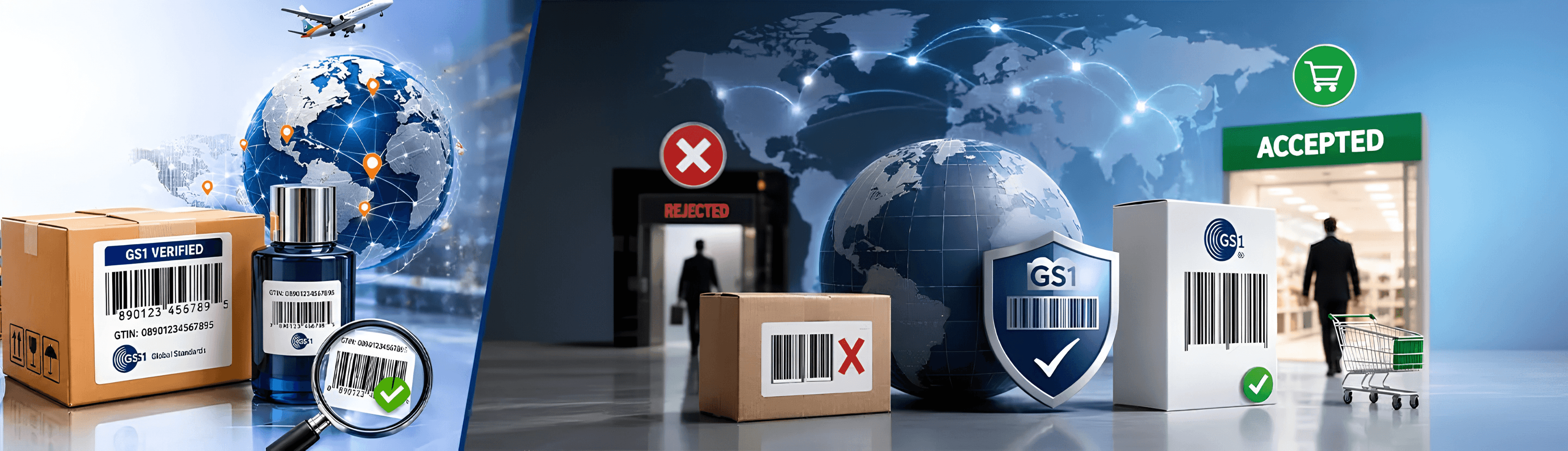

A lot of businesses assume exporting becomes difficult because of logistics, paperwork, or customs approvals. But quite often, the first problem shows up much earlier, when a retailer or distributor cannot verify the product barcode properly. That usually catches brands off guard. The shipment is ready. Product packaging is complete. Marketplace listings are prepared. But the onboarding team comes back asking for product identifier clarification before the products can move further. This has become more common as businesses try to buy a barcode from low-cost sources that may not follow globally recognised standards. The barcode may scan without any issue, but international retail systems usually validate much more than the image itself. And once products enter export channels, those checks become stricter.
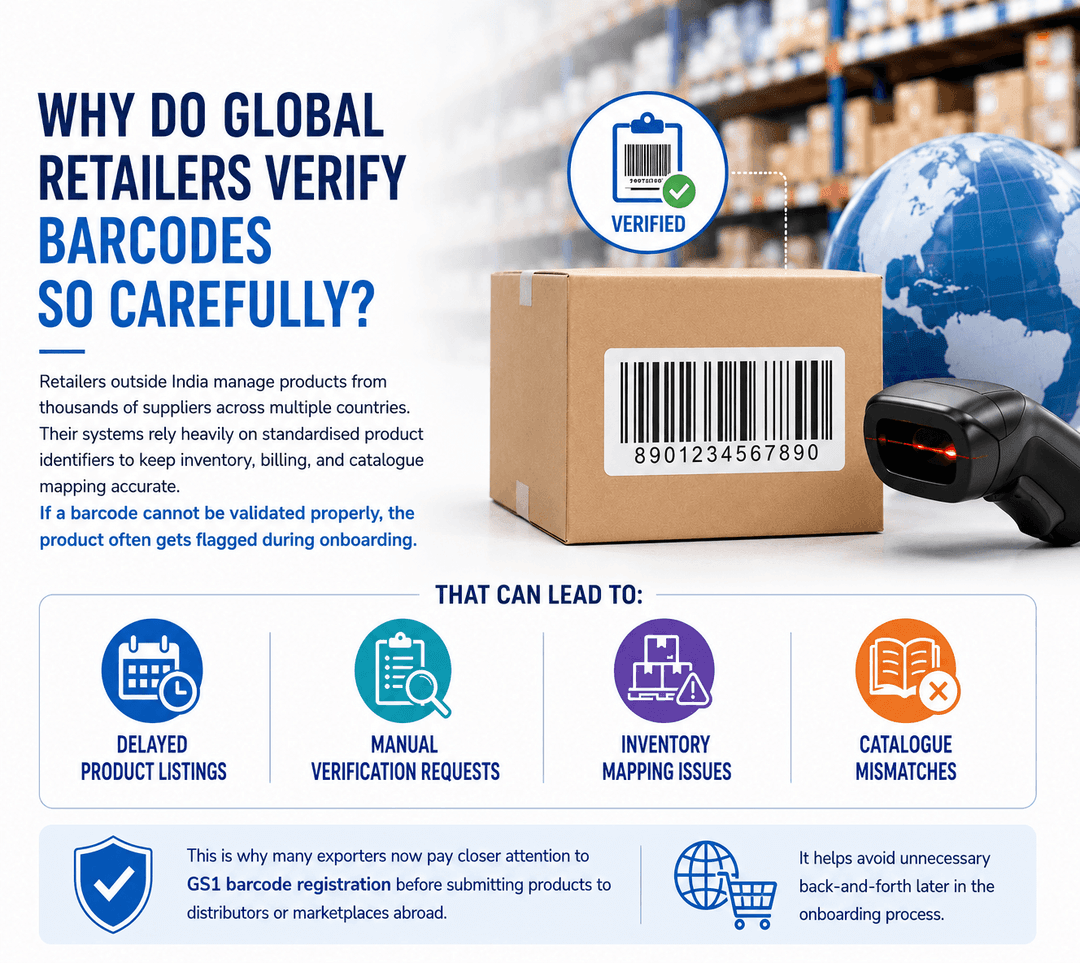
Retailers outside India manage products from thousands of suppliers across multiple countries. Their systems rely heavily on standardised product identifiers to keep inventory, billing, and catalogue mapping accurate. If a barcode cannot be validated properly, the product often gets flagged during onboarding.
That can lead to:
This is why many exporters now pay closer attention to GS1 barcode registration before submitting products to distributors or marketplaces abroad. It helps avoid unnecessary back-and-forth later in the onboarding process.
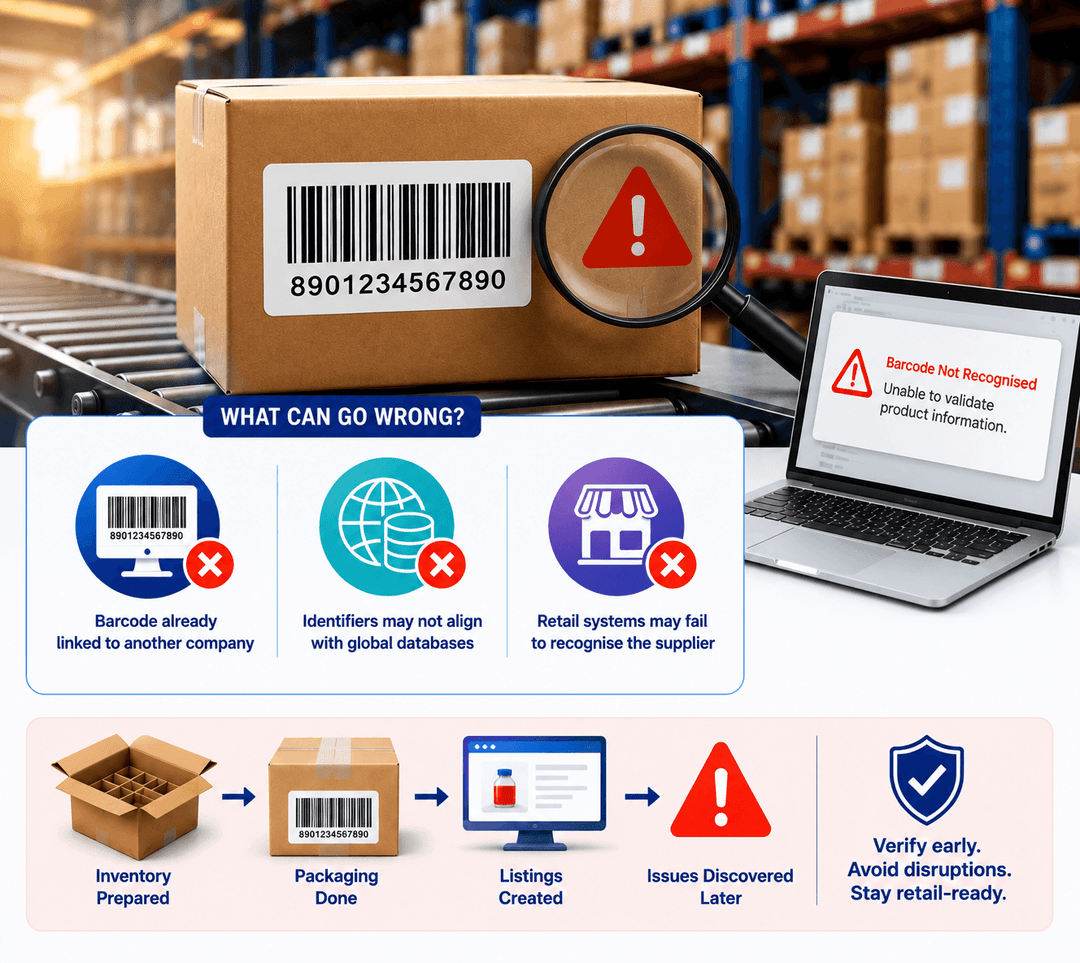
The problem is not always visible immediately. A business may buy a barcode, apply it to packaging, and even start using it internally without noticing any issue. The complications usually appear when the product enters organised retail or export systems.
For example:
At that point, resolving the issue becomes much harder because inventory, packaging, and listings are already prepared. This is one reason exporters increasingly prioritise barcode verification earlier in the process rather than treating it like a final packaging step.
Domestic retail issues can sometimes be corrected manually. Export operations usually leave much less room for that flexibility.
Distributors, customs systems, marketplaces, and retailers all rely on accurate product data moving consistently across platforms. If the barcode information does not match properly, approvals slow down very quickly.
This affects:
That is why businesses increasingly understand the importance of proper GS1 barcode registration before expanding into new retail markets or export regions. Once products move internationally, fixing product identification gaps becomes significantly more expensive and time-consuming.
For growing brands, exports are rarely a one-time activity. The goal is usually larger retail access, wider distribution, and smoother onboarding across countries. That becomes easier when product identifiers remain structured and globally accepted from the beginning.
Businesses that buy a barcode from unreliable providers often face repeated verification issues later because retail systems depend on trusted product identification standards.
Verified barcodes help reduce:
More importantly, they make it easier for products to move across marketplaces, distributors, and retail systems without repeated operational friction.

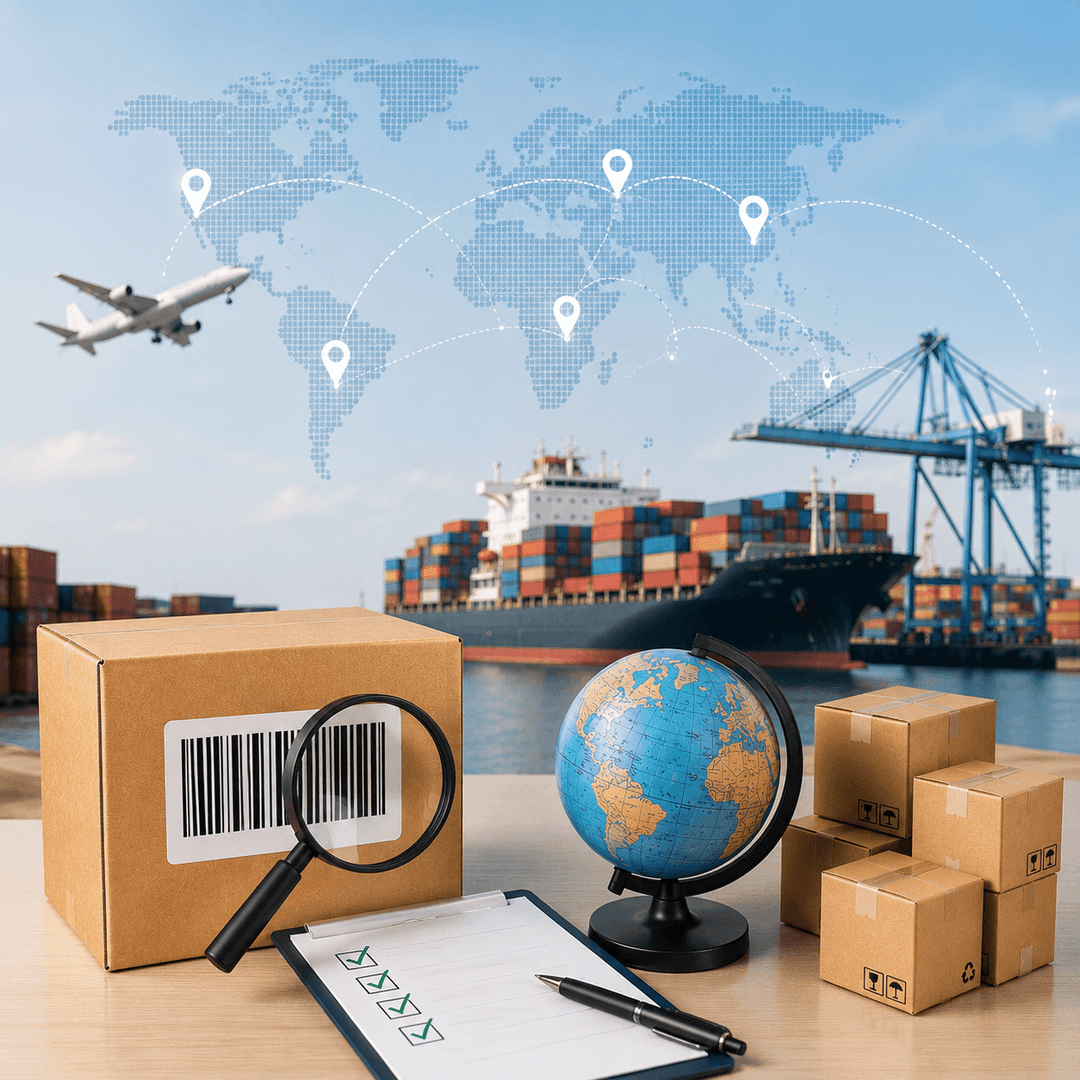
One of the most practical steps is verifying barcode authenticity before products enter larger retail or export channels.
That includes:
Many exporters now prioritise GS1 barcode registration during product onboarding itself because barcode-related delays often surface only after inventory reaches retail or distribution systems. By then, the cost of fixing the issue is much higher.
Verified barcodes help retailers and distributors identify products accurately across global supply chains and marketplaces.
Yes. Unverified barcodes can lead to listing delays, catalogue mismatches, and additional verification requests during exports.
GS1 barcode registration supports globally recognised product identification, helping businesses improve retail and export acceptance.
Your email address will not be published. Required fields are marked *