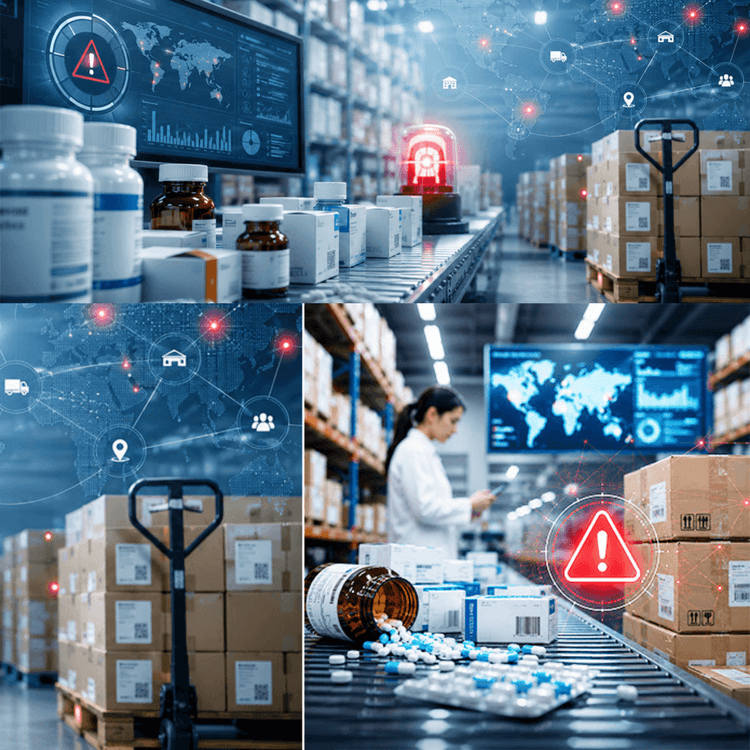

Most supply chain issues don’t start with a breakdown. They start with a lack of visibility. A shipment moves, but no one knows where it slowed down. A batch gets flagged, but tracing its origin takes days. A compliance audit comes in, and teams scramble to gather data. This is the reality for many logistics and pharma companies still running on disconnected systems. And the cost isn’t just operational; it’s strategic. Delays, disputes, compliance risks, and lost trust. That’s why traceability is no longer about tracking shipments. It’s about knowing, in real time, what’s happening across your entire supply chain, and being able to act on it.

Traceability, in simple terms, means you can follow a product across its entire lifecycle. But for logistics and pharma, that definition is incomplete. You don’t just need to know where a product is. You need context:
This level of detail only works when data is:
Without that, traceability becomes fragmented. And fragmented traceability is as risky as having none at all.
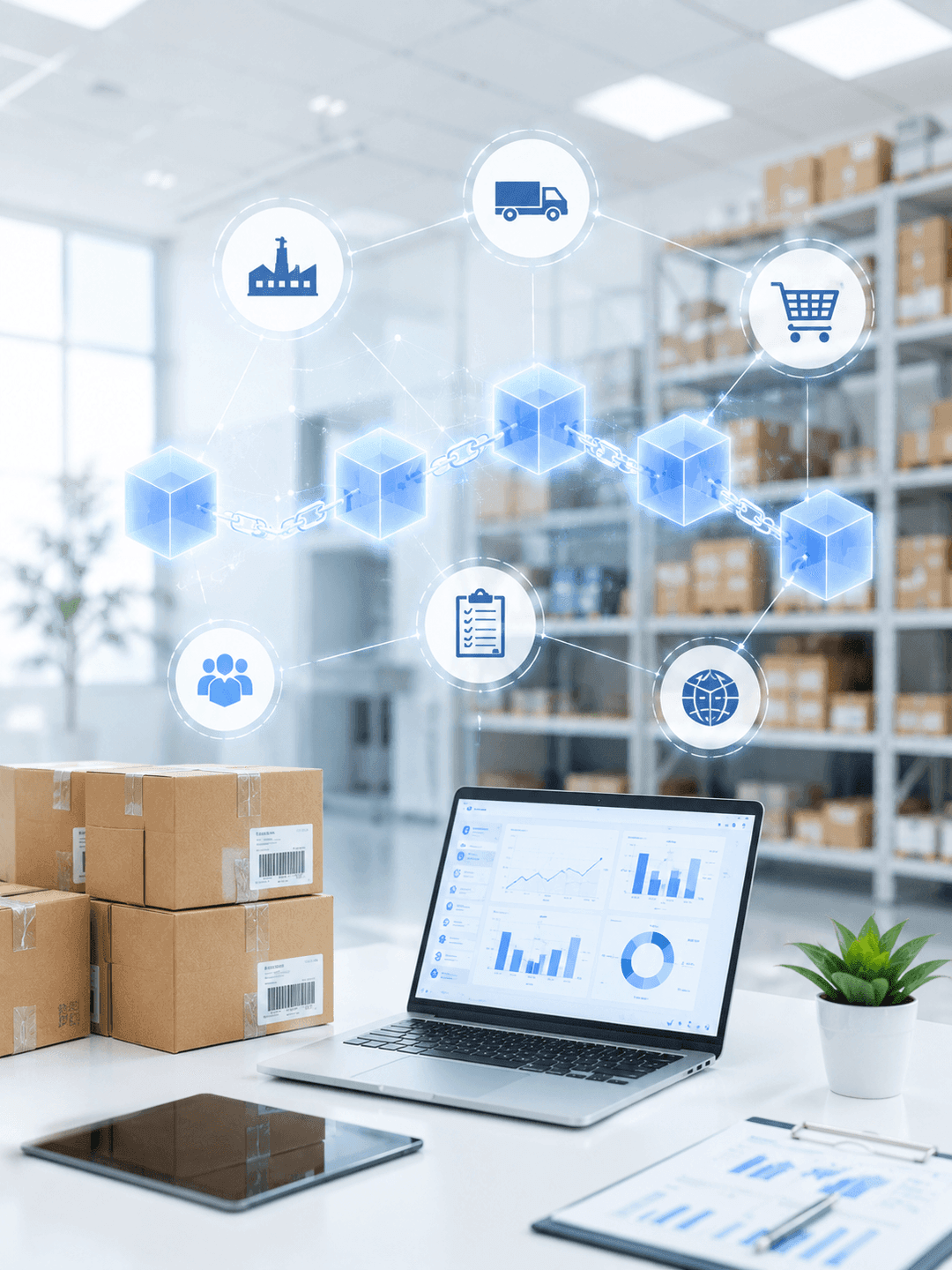
Most supply chains already generate data. The problem is not availability; it is trust. Different partners maintain different records. Discrepancies are common. Reconciliation takes time. Blockchain changes this dynamic.
Instead of separate records, you get:
This removes the need for constant validation between parties. For logistics networks and pharma ecosystems, where multiple entities interact, this creates something that traditional systems struggle with: trusted collaboration without dependency on a single system owner.
a) Cross-Partner Coordination Without Friction
In most supply chains, every partner tracks their own version of events. That leads to delays in alignment. Blockchain introduces a shared record.
Now, when something changes:
b) Securing High-Risk Supply Chains
Pharma supply chains are particularly vulnerable to counterfeit products entering at weak checkpoints.
Blockchain-based traceability:
This strengthens control without slowing down operations.
c) Compliance That Proves Itself
Regulations don’t just require compliance; they require proof.
With blockchain:
Instead of compiling reports manually, the system already holds the evidence.
d) Controlled and Targeted Recalls
When a product issue arises, the biggest risk is uncertainty.
Without traceability:
With blockchain-backed traceability:
This is where traceability directly protects both revenue and brand.
e) Operational Efficiency and Cost Savings
A lot of supply chain costs don’t come from big failures; they come from small inefficiencies repeated daily. Manual reconciliation dispute handling, data mismatches and delayed decisions.
With structured, shared traceability data:
Over time, this translates into lower operational costs and better resource utilisation, without adding complexity.
There is a misconception that blockchain alone solves traceability. It doesn’t. If the input data is inconsistent, the blockchain will simply preserve those inconsistencies permanently. That’s why standardisation becomes critical.
When identifiers and event data follow a consistent structure:
Think of it this way: Blockchain secures the data, and standards make the data usable. Without both, scalability breaks.
Once your data is structured and reliable, the next step is using it effectively. That’s where AI comes in.
Instead of just tracking events, systems can now get into:
This moves traceability beyond visibility. It becomes a decision-support system. For logistics and pharma companies, this shift means fewer surprises and more control over outcomes.
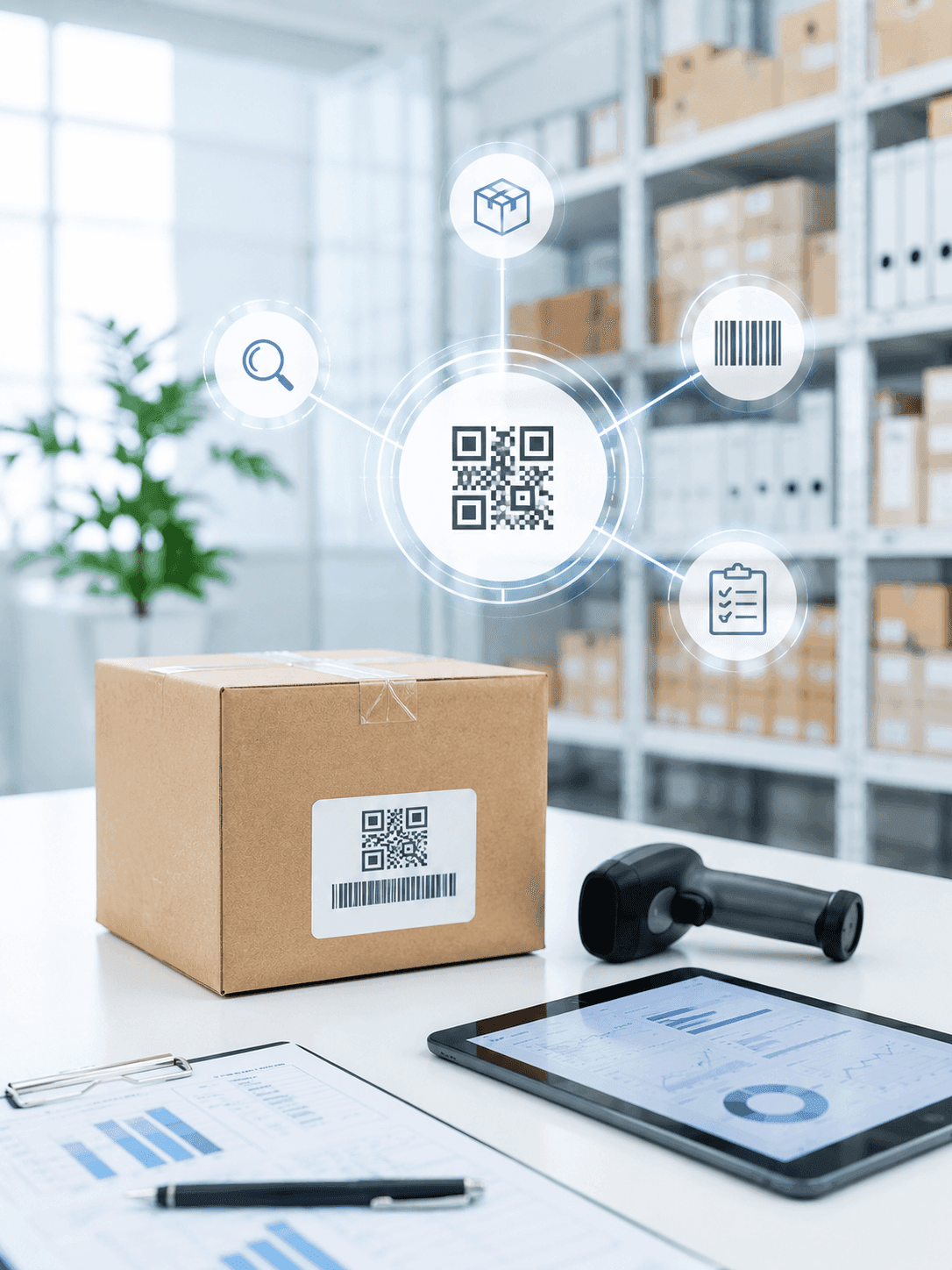
For organisations looking to move forward, the approach needs to be practical:
The goal isn’t to deploy technology for the sake of it. It’s to remove blind spots from your supply chain.
It records events in a tamper-resistant ledger that cannot be altered once stored.
They ensure consistent identification and data sharing across all partners.
By linking products to verifiable records at each checkpoint.
It predicts risks, identifies anomalies, and improves decision-making.
Begin with structured data and identifiers, then scale with blockchain and AI layers.
Your email address will not be published. Required fields are marked *