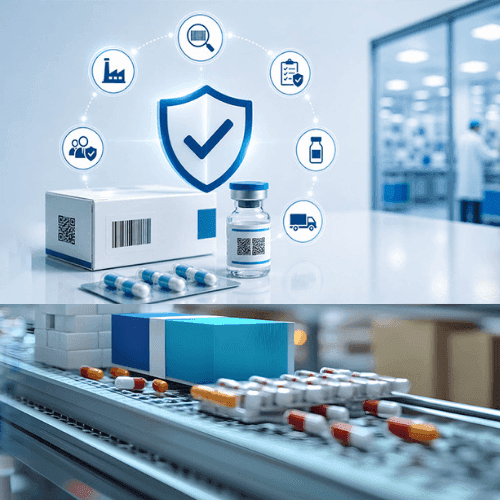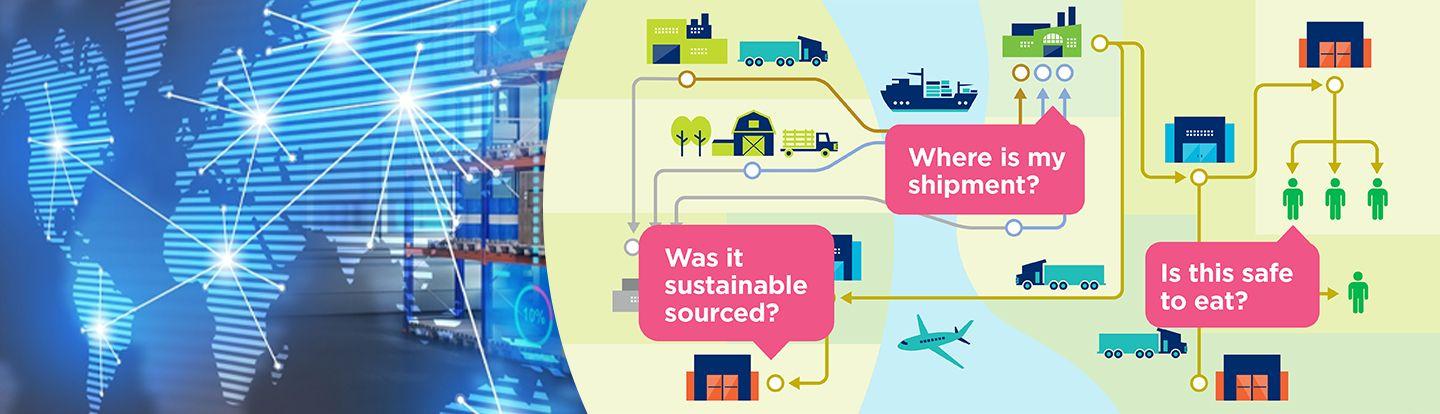

Today’s global supply chains are increasingly complex, with multiple suppliers, warehouses, transporters, and retailers involved. As businesses grow, so does the risk of errors, fraud, and inefficiencies. The lack of transparency across these processes can lead to serious consequences such as recalls, regulatory penalties, and damaged reputations. Without proper visibility, businesses face quality complaints, product discrepancies, and supply chain breakdowns. That's where Supply Chain Traceability solutions come in. It helps to detect risks early, reducing the chance of errors and maintaining customer trust. This blog will explore how these solutions help mitigate risks and enhance operational efficiency.
Supply Chain Traceability refers to the ability to track a product’s journey from the origin, through manufacturing, storage, and distribution, all the way to the end-customer. It’s about capturing the essential data of products and their movements, ensuring they are monitored at each critical point.
Unlike basic tracking, traceability includes structured, standardised data that offers clear, actionable insights. It allows businesses to answer important questions: Who handled the product? When? Where? And under what conditions?
Without traceability, supply chains often operate with fragmented data, causing delays in identifying issues and risks. Traceability solutions bridge these gaps and provide comprehensive, real-time visibility, making it easier to spot risks before they escalate.
In today’s interconnected world, the complexity of global supply chains makes them vulnerable to various risks. Some of these risks include:
Supply Chain Traceability solutions help businesses address these challenges by capturing critical data at each touchpoint, ensuring every movement is tracked and validated. This early detection of anomalies helps businesses avoid costly mistakes and protect their brand reputation.
Traceability is only valuable when it’s actionable. Here are key ways to help businesses identify risks early:
A) Unique Identification & Standardised Data Capture - Products and locations are tagged with unique identifiers, such as GTINs, ensuring consistency. Barcodes and QR codes capture key events in real-time, providing structured data across the supply chain.
B) Real-Time Event Logging Across Nodes - At each stage, manufacturing, packaging, shipping, and receiving, traceability solutions log every event. Deviations, like temperature breaches or delays, trigger alerts, enabling quick corrective action.
C) Centralised Visibility & Alerts - Dashboards offer real-time visibility into the supply chain, with alerts for issues such as missed shipments or quality problems. This empowers businesses to act before problems grow.
D) Audit Trails for Compliance - Traceability systems maintain detailed event logs, which are crucial for audits. These logs also ensure compliance with industry regulations and help businesses prove product integrity when required.
When adopting Supply Chain Traceability solutions, businesses should look for these essential features:
The benefits of implementing traceability solutions are clear:
With these advantages, businesses can reduce errors, mitigate risks, and scale faster across multiple platforms.
Implementing traceability solutions can be broken down into a few simple steps:
Traceability solutions address challenges like product misplacement, counterfeit risks, non-compliance, and inventory errors.
By capturing real-time data and alerting businesses when deviations occur, traceability systems identify issues before they escalate.
Yes, traceability tools can integrate with existing ERP, WMS, and other business systems to enhance data flow and visibilty.
Businesses can start seeing improvements in risk management, inventory accuracy, and operational efficiency soon after adopting traceability solutions.
Yes, traceability solutions ensure that all necessary product data is captured, making it easier to comply with industry regulations.
Your email address will not be published. Required fields are marked *