
Ever had a situation where your system showed stock available, but the shelf was empty? Or worse, a batch issue comes up, and no one can quickly trace where it went? That’s how most supply chain problems show up. Not as big failures, but as small gaps that quietly slow everything down. A delayed shipment, a mismatch in inventory, or a compliance flag that appears too late to act on. Individually, they seem manageable. But over time, they start affecting revenue, customer trust, and operational speed. For FMCG and pharma companies, 2026 is not just about growing faster. It’s about gaining control over data, movement, compliance, and visibility. And that control starts with one thing: trusted and standardised data across the supply chain.
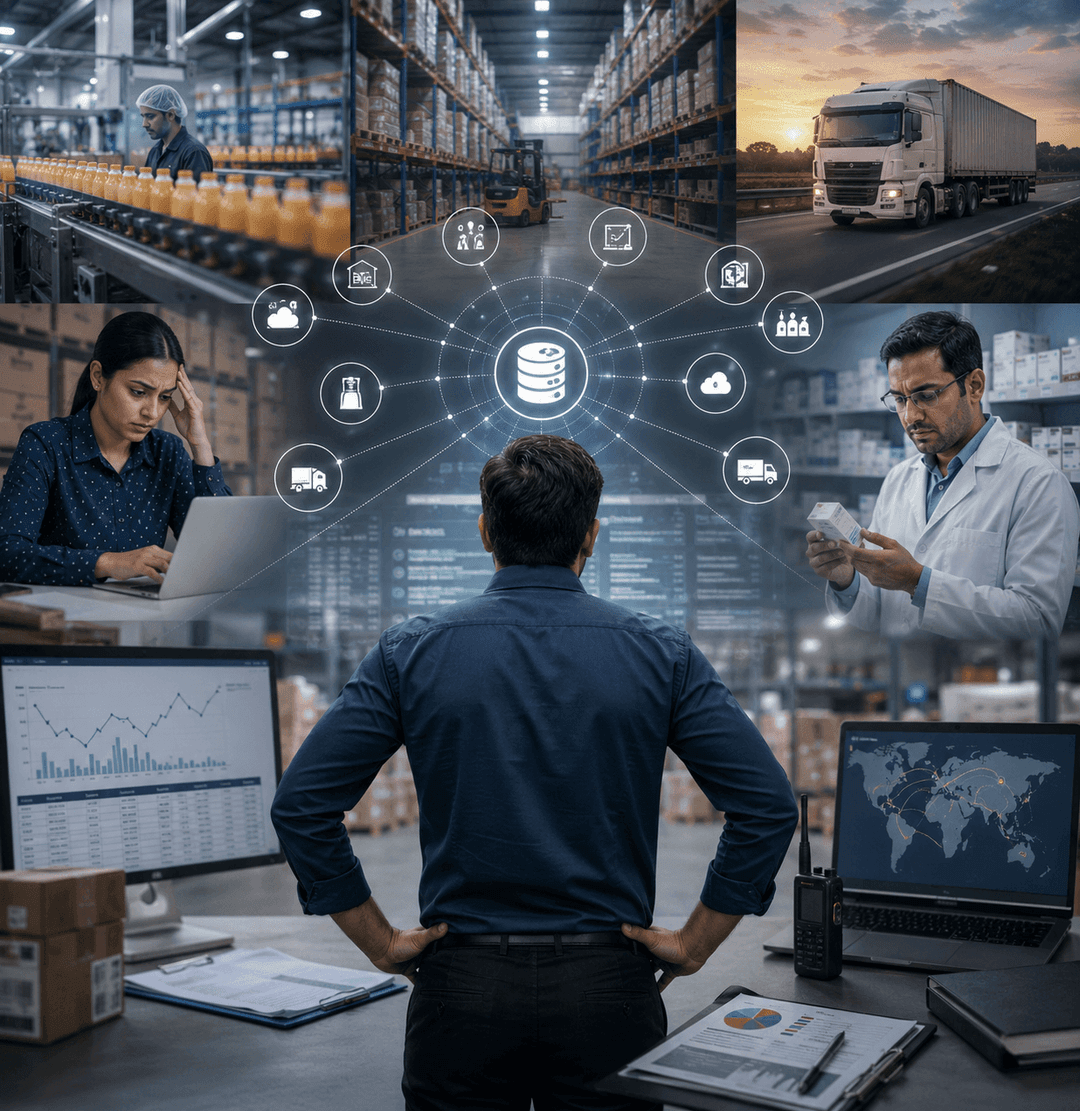
Most companies don’t realise this early enough; supply chain issues rarely come from movement. They come from misalignment, where the warehouse shows one number, the marketplace shows another, or the distributor works with something else. And suddenly, no one is sure what’s actually correct.
In FMCG, this leads to:
In pharma, the impact is bigger:
The real challenge is coordination across multiple systems and partners. That is why supply chain management is no longer about logistics. It’s about making sure every system is working with the same, reliable data. Because once the data aligns, everything else becomes easier.
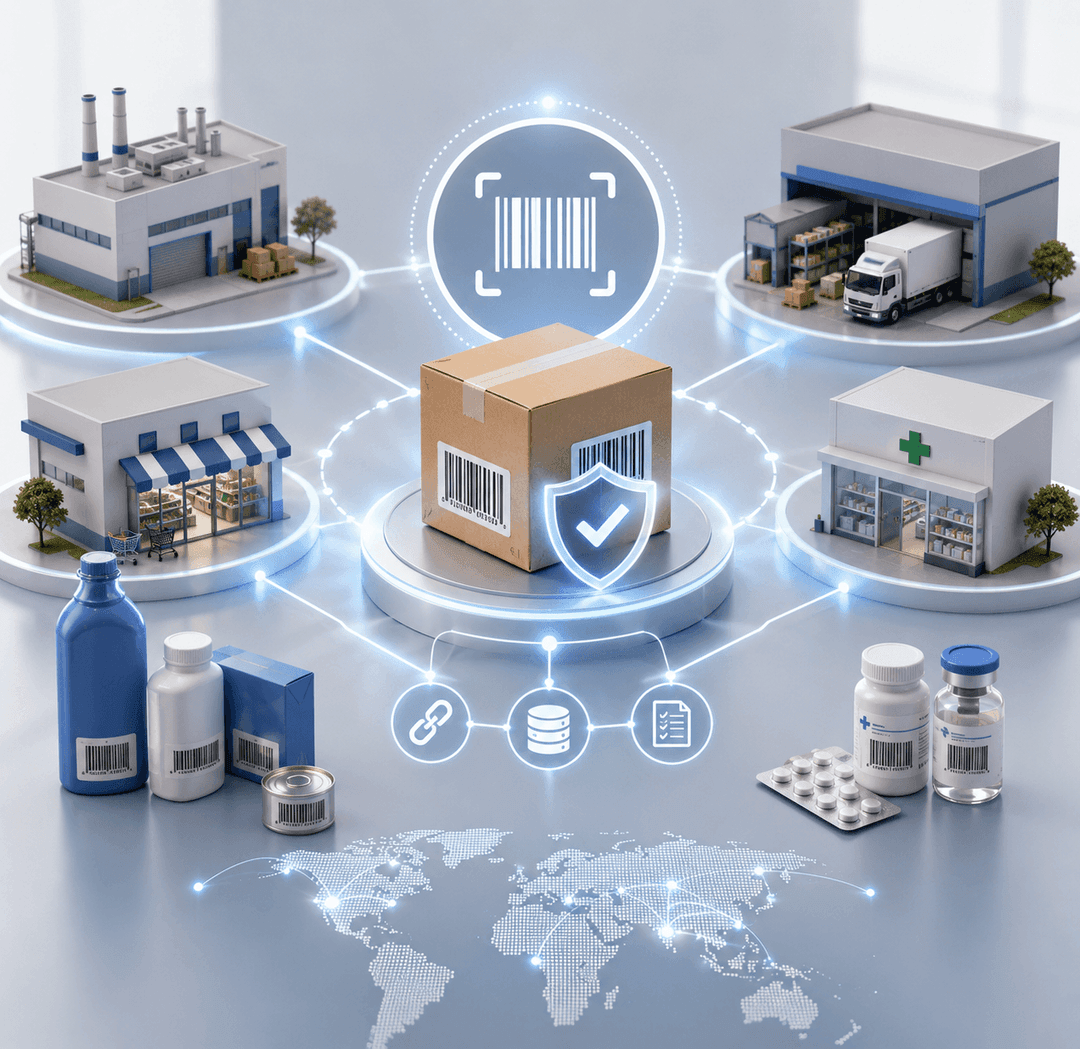
A lot of supply chain problems start with something simple: products are not identified consistently. Same product. Different codes. Different systems. That’s where things begin to break.
Standardised identification fixes this at the root:
Every product gets a unique, globally recognised identity
Systems across partners recognise the same product the same way
Data mismatches have reduced significantly
For FMCG brands, this means:
For pharma companies:
This is no longer a backend fix. It’s the base layer of a stable supply chain.
Most companies think they have visibility until something goes wrong. You realise it when:
That’s because traditional visibility is delayed. Now, companies are moving toward real-time systems that:
For FMCG:
For pharma:
Visibility is no longer about reporting what happened. It’s about acting before things go wrong.
Compliance used to be something companies handled at the end. Now, it’s built into how supply chains operate.
In pharma:
In FMCG:
The shift is clear: companies are moving from reacting to compliance to building systems that are always compliant, and when it comes to recalls, this makes a huge difference.
Without traceability:
With traceability:
That’s the difference between a disruption and a controlled response.
Supply chains don’t break because of a lack of effort. They break because systems don’t connect.
Every partner:
This creates delays and manual work.
Digital integration solves this by:
For 2026, integration is no longer optional. If your systems can’t communicate, your supply chain slows down — no matter how strong individual parts are.
Consumers today don’t just buy products; they question them. Especially in FMCG and pharma, questions like these are becoming common:
This is pushing companies toward greater transparency.
With QR-based systems, a simple scan can show:
For FMCG:
For pharma:
Transparency is no longer a differentiator. It’s becoming expected.
Earlier, supply chains were seen as cost-heavy operations. Now, they’re directly impacting growth.
When supply chains work well:
Companies are seeing clear benefits:
The mindset is shifting from: “How do we reduce cost?” to “How do we create value through efficiency?”
Supply chains are being redesigned with three priorities:
For FMCG:
For pharma:
This shift is forcing companies to rethink how they structure supply chains, not just optimise them.
AI is moving beyond dashboards. It is starting to make decisions.
Modern systems can:
For FMCG:
For pharma:
But there’s one limitation. AI only works when data is accurate. Without structured, reliable data, automation doesn’t scale.
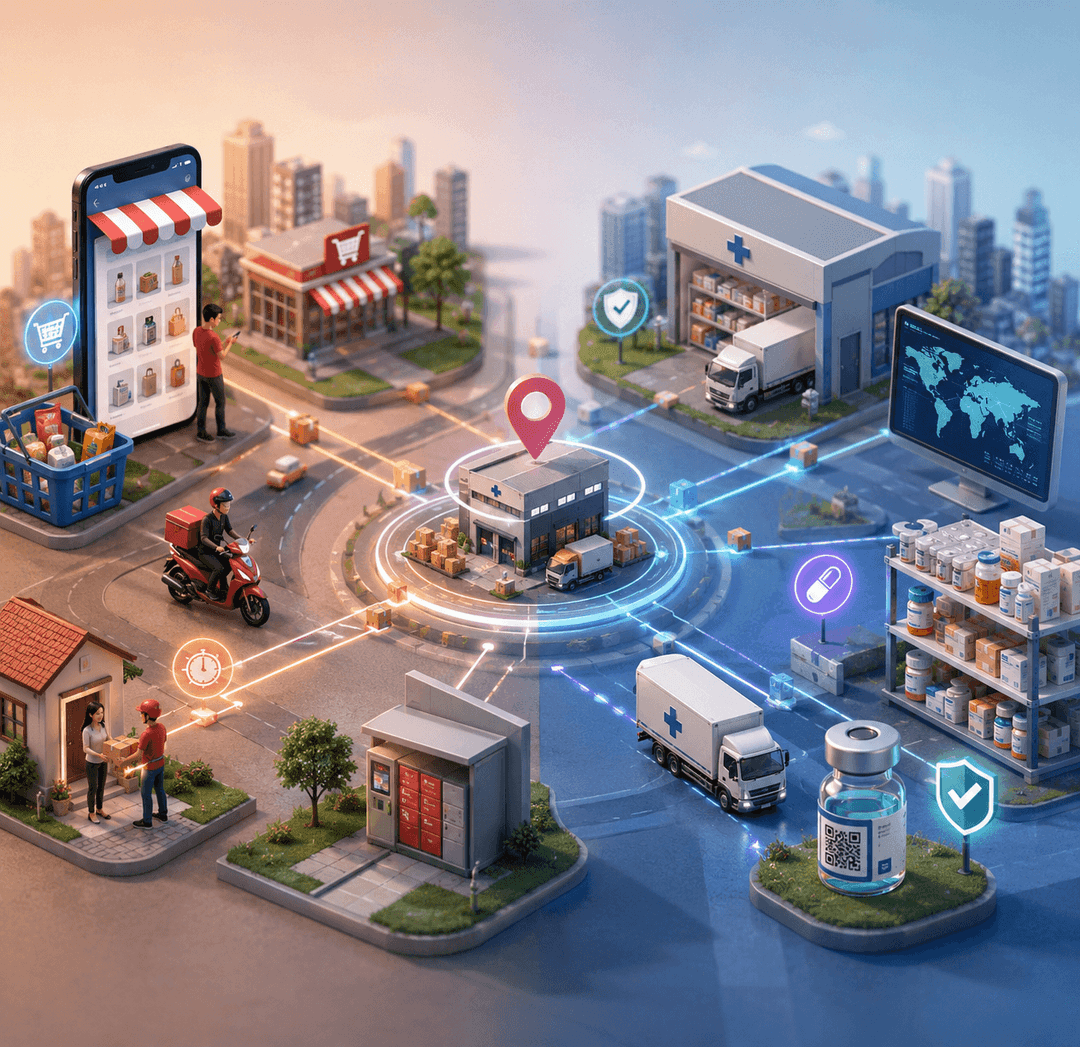
Quick commerce and D2C models are changing how supply chains operate.
Products now need to:
This creates new challenges.
For FMCG:
For pharma:
The result? More complexity and higher dependence on real-time, accurate data.
Inconsistent product data leads to errors, delays, and system mismatches across partners.
It helps track inventory and movement in real time, reducing stockouts and compliance risks.
They improve accuracy, reduce manual work, and ensure smooth integration across systems.
They provide complete product history, making audits and compliance checks easier.
Customers want to verify product authenticity, origin, and safety before making decisions.
Your email address will not be published. Required fields are marked *