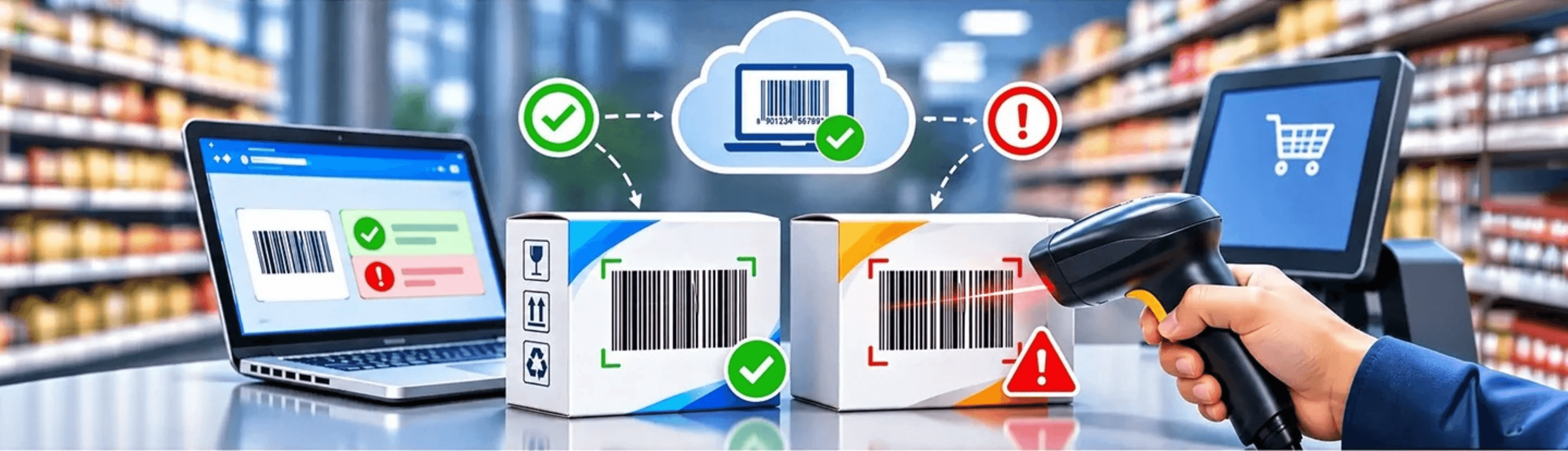

A barcode can look perfectly clear on packaging and still fail at the checkout counter. Poor print quality, wrong color selection, incorrect dimensions or insufficient contrast may prevent scanners from reading it reliably. The result is more than a scanning inconvenience: it can mean billing delays, manual intervention, stock discrepancies and avoidable friction between retailers and suppliers. These problems are often discovered only after packaging has been printed in bulk or products have reached distribution. Checking barcode quality before dispatch gives businesses an opportunity to identify defects early, when corrections are easier and less expensive.
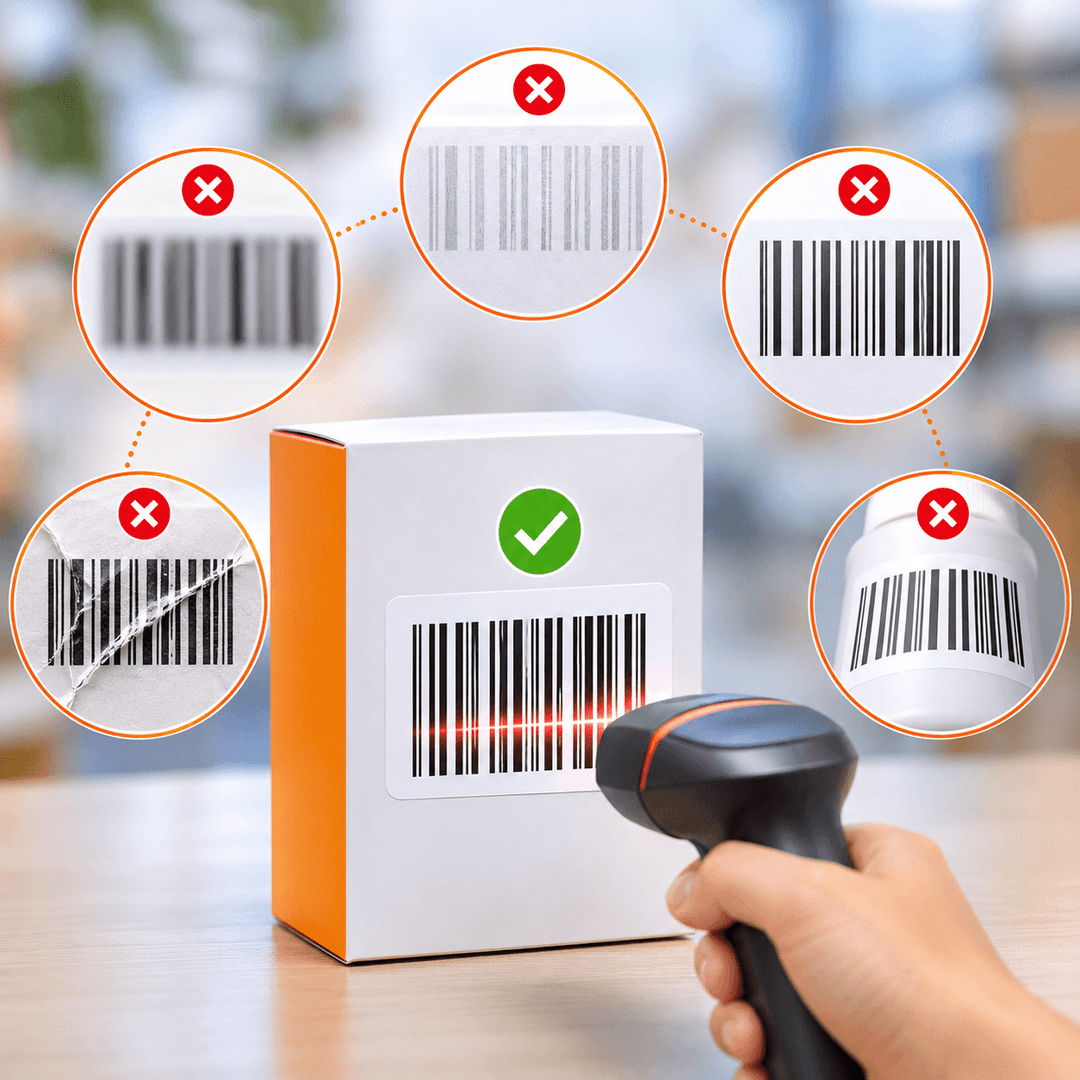
Several production and packaging issues can affect barcode readability:
A barcode may pass a basic visual check but still fail under actual scanning conditions. This is why businesses should assess print quality rather than rely on appearance alone.
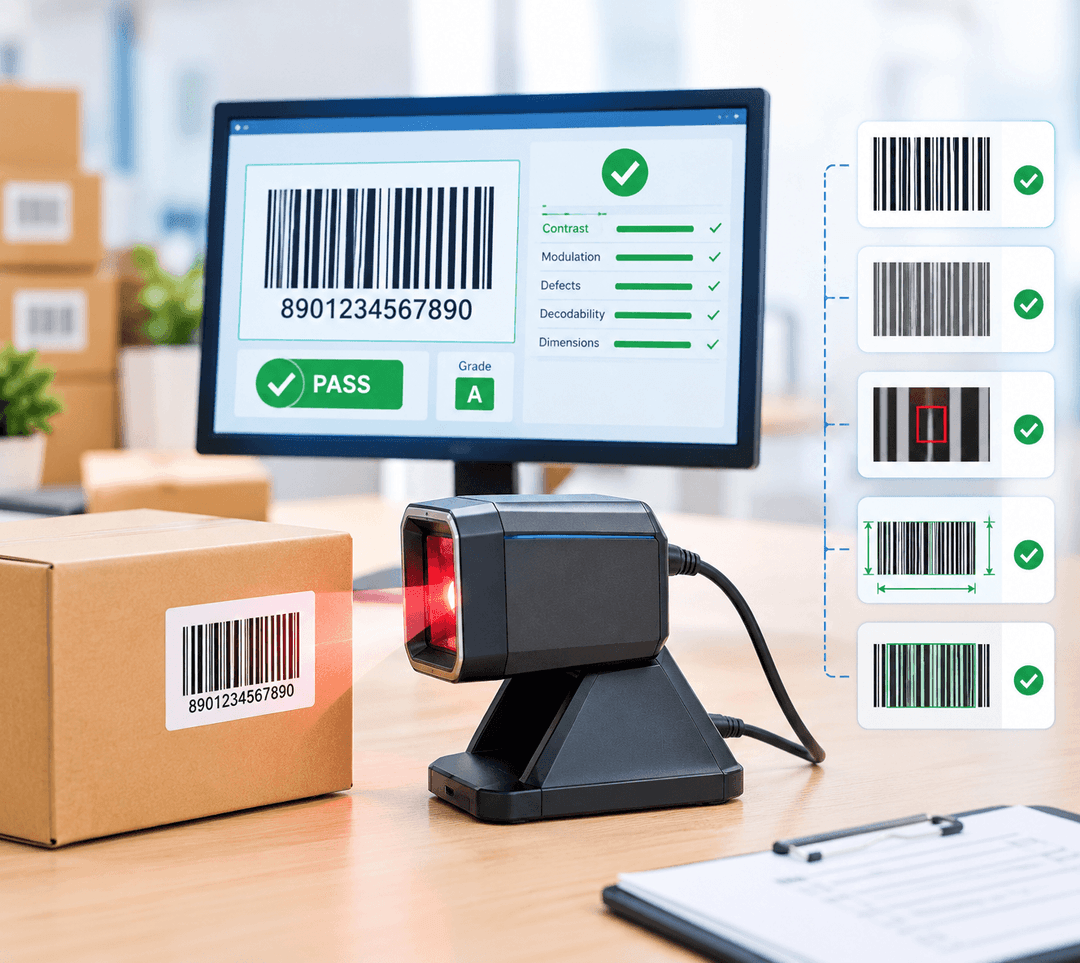
Barcode verification evaluates whether a printed barcode meets recognised quality requirements. It checks factors such as symbol contrast, modulation, defects, decodability and dimensional accuracy.
Unlike a basic scanner test, a verifier measures barcode quality and provides a grade. This helps manufacturers and packaging teams identify specific problems and correct them before products enter distribution.
Using barcode verification online can also make quality checks easier to plan during packaging development and production. Businesses can review barcode performance, identify recurring print issues and maintain more consistent output across batches.
Verification should ideally happen before packaging artwork is approved for mass production. It is also useful when changing printers, packaging materials, barcode dimensions or production settings.
Businesses can use barcode verification online to assess print quality before products reach retailers. For manufacturers supplying multiple retail channels, this check can reduce the risk of repeated packaging corrections and scanning complaints.
GS1 India provides verification services that help businesses identify print-quality issues and improve barcode performance before products enter the market.
Barcode verification is a quality assessment process that measures whether a printed barcode meets recognised standards. It evaluates print characteristics and assigns a grade to indicate how reliably the symbol can be scanned.
No, requirements vary by product category and applicable regulations. Businesses should check the rules relevant to their products and sales channels rather than assume that every item has the same barcode requirement.
Scanning confirms whether a scanner can read a barcode at that moment. Verification measures print quality against defined parameters, helping identify potential readability problems before products reach retail outlets.
Ideally, verification should happen before approving packaging for bulk production. It should also be repeated when businesses change printing equipment, packaging materials, artwork dimensions or production settings that could affect barcode quality.
Yes. Unreadable barcodes can cause checkout delays, manual product lookups and inventory discrepancies. Repeated scanning failures may also create additional work for retail staff and suppliers, particularly across high-volume product lines.
Your email address will not be published. Required fields are marked *