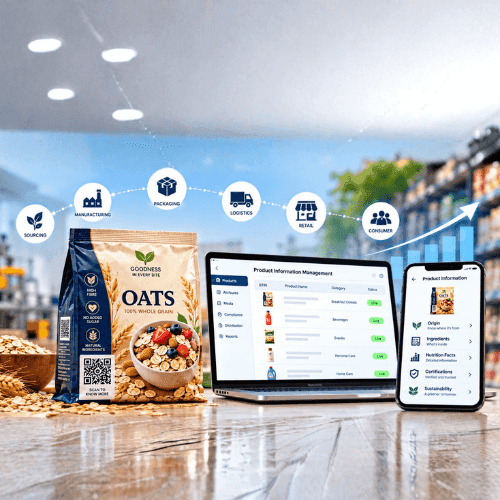

A retailer may approve your product commercially, but that does not mean every operational requirement is complete. Retail onboarding can involve product identification, packaging specifications, accurate product records and barcode readability. For example, a packaged-food manufacturer supplying a supermarket chain may need to prepare several flavours and pack sizes. If the product identifiers are assigned incorrectly or the printed labels do not scan, the team may have to correct packaging after production. Before dispatch, confirm the retailer's product identification and labelling requirements, and check that the product details match the physical stock. These checks are easier to manage before goods leave the factory.
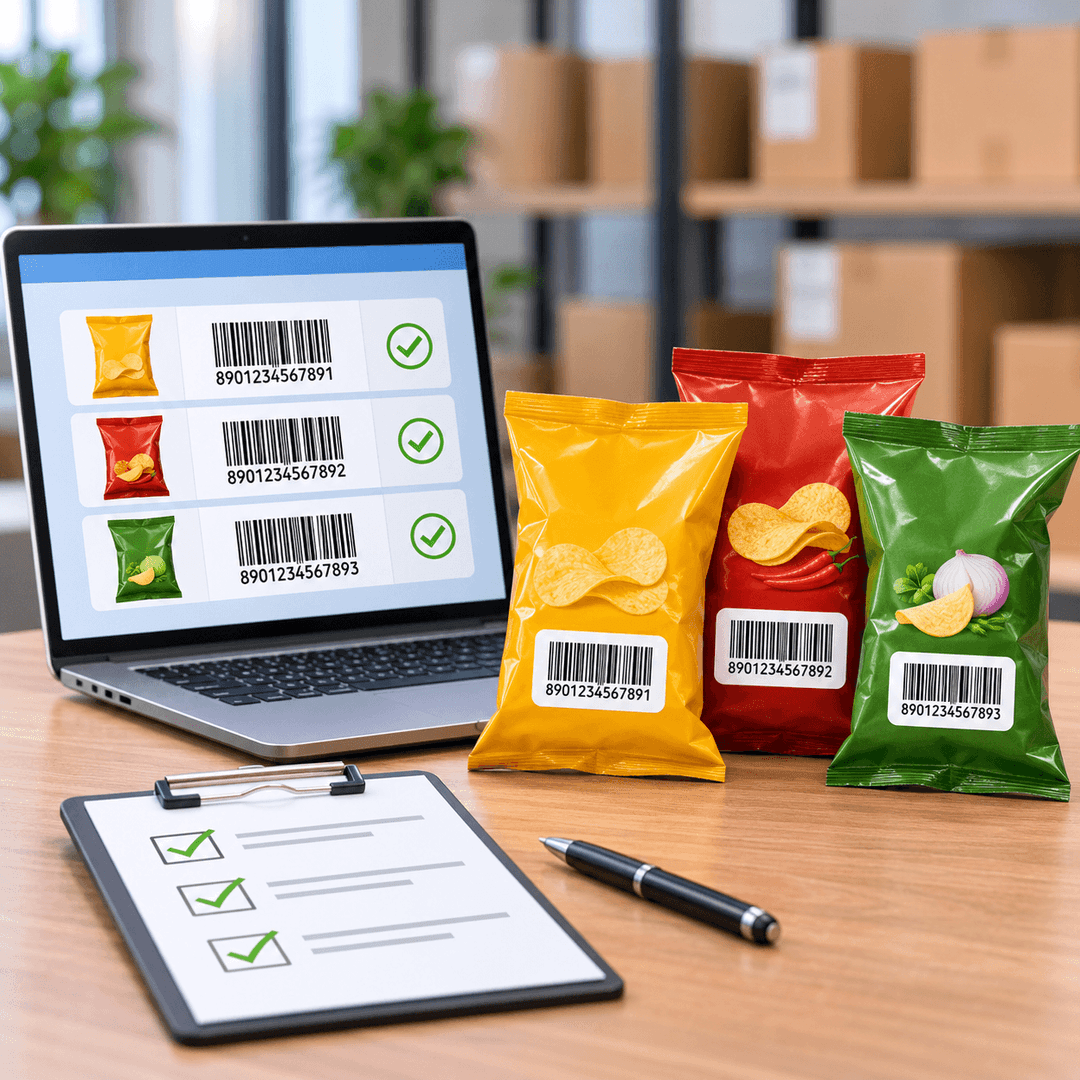
A retailer may order the same product in different sizes, flavours or packaging formats. These variations should not automatically share one identifier. Distinct trade items generally require separate Global Trade Item Numbers (GTINs), depending on how they are sold and ordered.
Before using a product barcode generator, prepare a list of every product and variant included in the order. Match each item to its assigned GTIN, then verify that the identifier used in the product record corresponds to the intended product.
GS1 India provides barcode registration services and information on GS1 standards for product identification. Businesses should confirm their identifier requirements before approving packaging artwork or ordering labels in bulk.
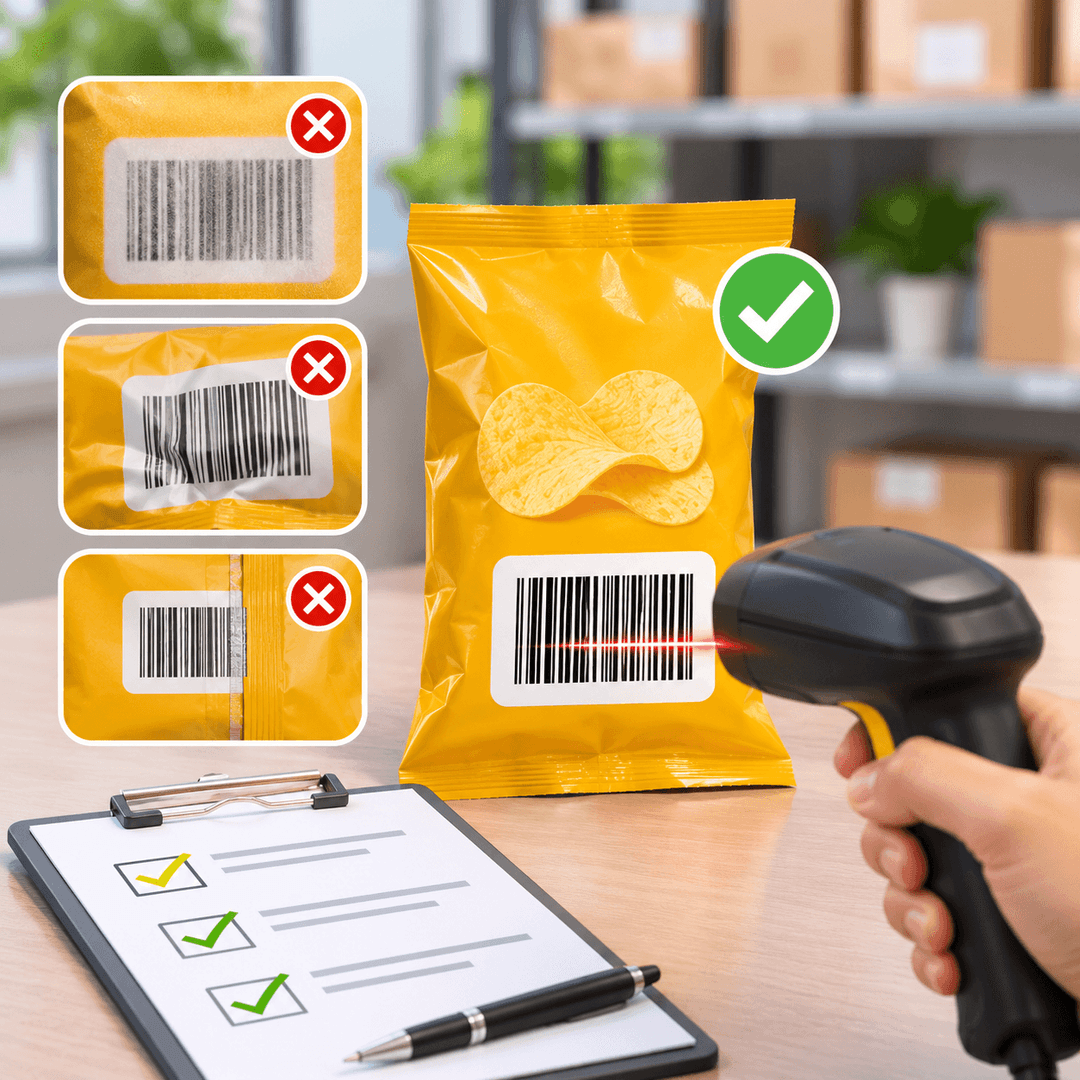
A correctly assigned GTIN does not guarantee that the printed barcode will scan reliably. Poor contrast, distorted printing, insufficient clear space or placement over a package seam can affect readability.
A barcode scanner online, may help with certain barcode lookups, depending on the tool, but it cannot replace testing the actual printed label. Use suitable scanning equipment to check representative samples, especially when labels are small or packaging materials affect print quality.
For larger orders, include barcode checks in the packaging approval process. Finding an issue before printing thousands of units can prevent rework and reduce the risk of dispatch delays.
Create a final checklist covering identifiers, product variants, packaging artwork, scan tests, retailer-specific labelling and required product information. Confirm who will approve each item and resolve discrepancies before the shipment is booked.
Use a barcode scanner online only for checks it supports, and verify physical print quality separately. GS1 India's retail and online marketplace guidance can help businesses understand product identification requirements as they prepare to supply retail partners.
Distinct trade items, such as different pack sizes or flavours sold separately, generally require separate GTINs. Review your product range and retailer requirements before assigning identifiers to ensure each item is identified correctly.
A generator creates the scannable barcode symbol; it does not automatically assign an authorised product identifier. Obtain the appropriate GTIN through the relevant issuing organisation before creating artwork for packaging or product labels.
No. Online tools may help check certain barcode information, but they cannot confirm every aspect of printed-label quality. Test actual packaging samples with suitable scanning equipment before approving a large production run.
Retailers may request product names, GTINs, descriptions, dimensions, pack quantities and product images. Requirements vary, so confirm the relevant data fields and submission format before uploading product information or preparing the shipment.
Check barcode artwork during packaging approval and test printed samples before bulk production or dispatch. Early checks give teams time to correct identification, sizing or print-quality issues without delaying an entire retail order.
Your email address will not be published. Required fields are marked *