Today’s supply chains are more complex than ever. Products move across multiple partners, locations, and systems before reaching customers. Even a small disruption can impact operations and profits. Businesses face risks such as delays, counterfeits, recalls, and regulatory pressure. Without proper visibility, these risks grow quickly and affect customer trust. Companies need reliable systems to maintain control and confidence. This is where Supply Chain Traceability becomes essential. It connects product data, movement, and stakeholders across the entire journey. With the right systems in place, businesses gain transparency and accountability. This blog explores how Traceability Solutions creates measurable value. From reducing risks to improving partner trust, the benefits are both operational and commercial.
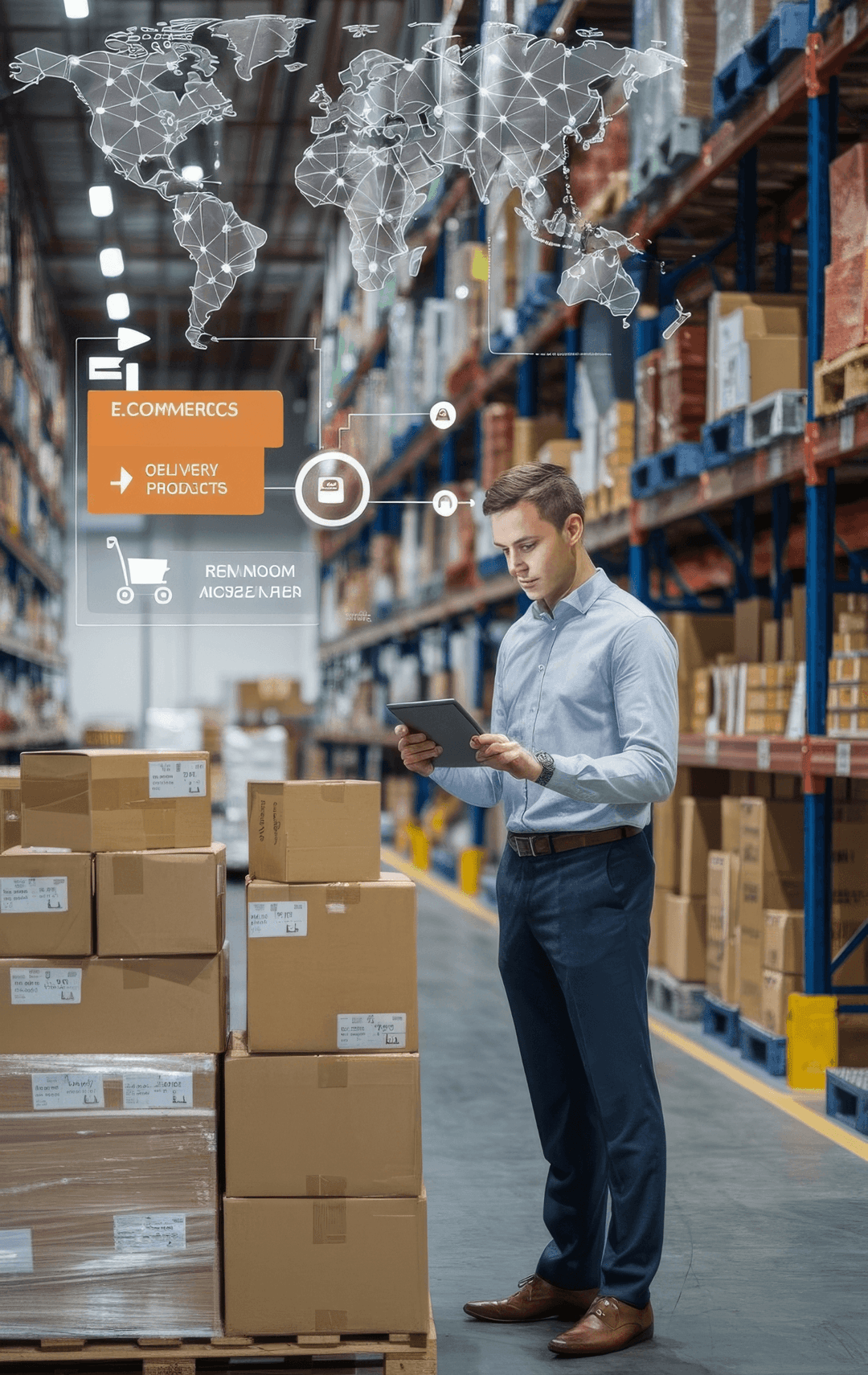
Supply Chain Traceability refers to the ability to track products and related data from origin to the end customer. It captures details about production, storage, movement, and handling across every stage. This includes information such as batch numbers, expiry dates, and shipment records.
Traceability goes beyond basic tracking. It connects product movement with structured data. This allows businesses to identify where a product came from and how it moved through the supply chain. With this clarity, decision-making becomes faster and more accurate.
Organisations across industries rely on global standards developed by GS1 to maintain consistency in identification and data sharing. These standards help businesses exchange reliable information with partners and retailers. Clear data flow reduces confusion and improves operational efficiency.
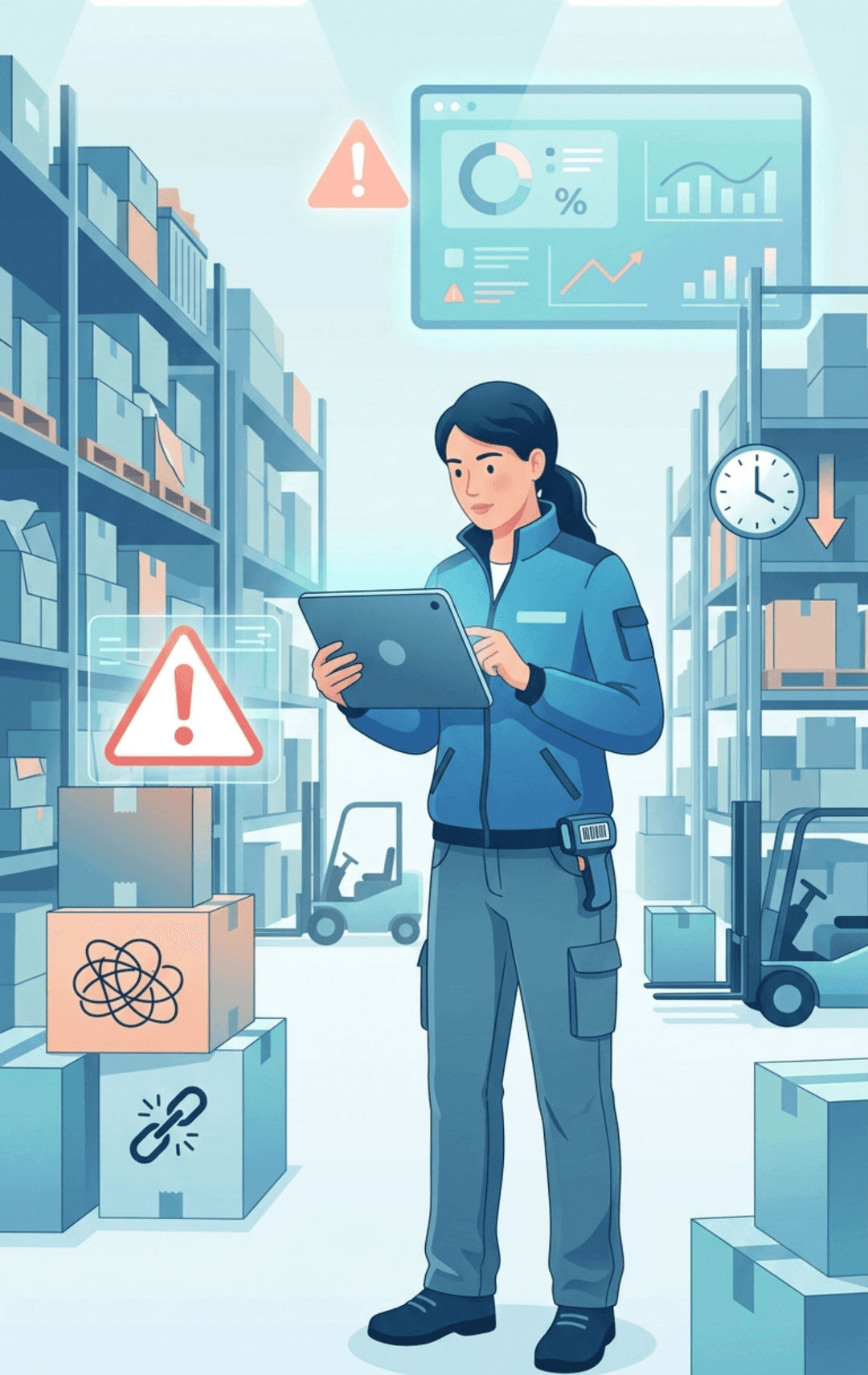
When traceability is missing, businesses face several operational and commercial problems. These issues often lead to financial loss and reputational damage.
Common challenges include:
These challenges affect more than operations. They impact revenue, customer relationships, and long-term growth. Without visibility, businesses struggle to respond quickly to disruptions. Many companies adopt systems aligned with GS1 standards to overcome these gaps. Standardised data capture improves coordination and reduces manual effort across the supply chain.
Reliable Traceability Solutions provide a strong operational advantage. They connect data from different stages of the supply chain and make it accessible in real time.
Key benefits include:
These benefits translate into measurable gains. Businesses experience fewer disruptions, lower operating costs, and stronger market credibility.
Traceability brings value across industries and business models. Real-world applications show how it supports growth and efficiency.
Examples include:
These use cases demonstrate how traceability improves reliability and opens new market opportunities.
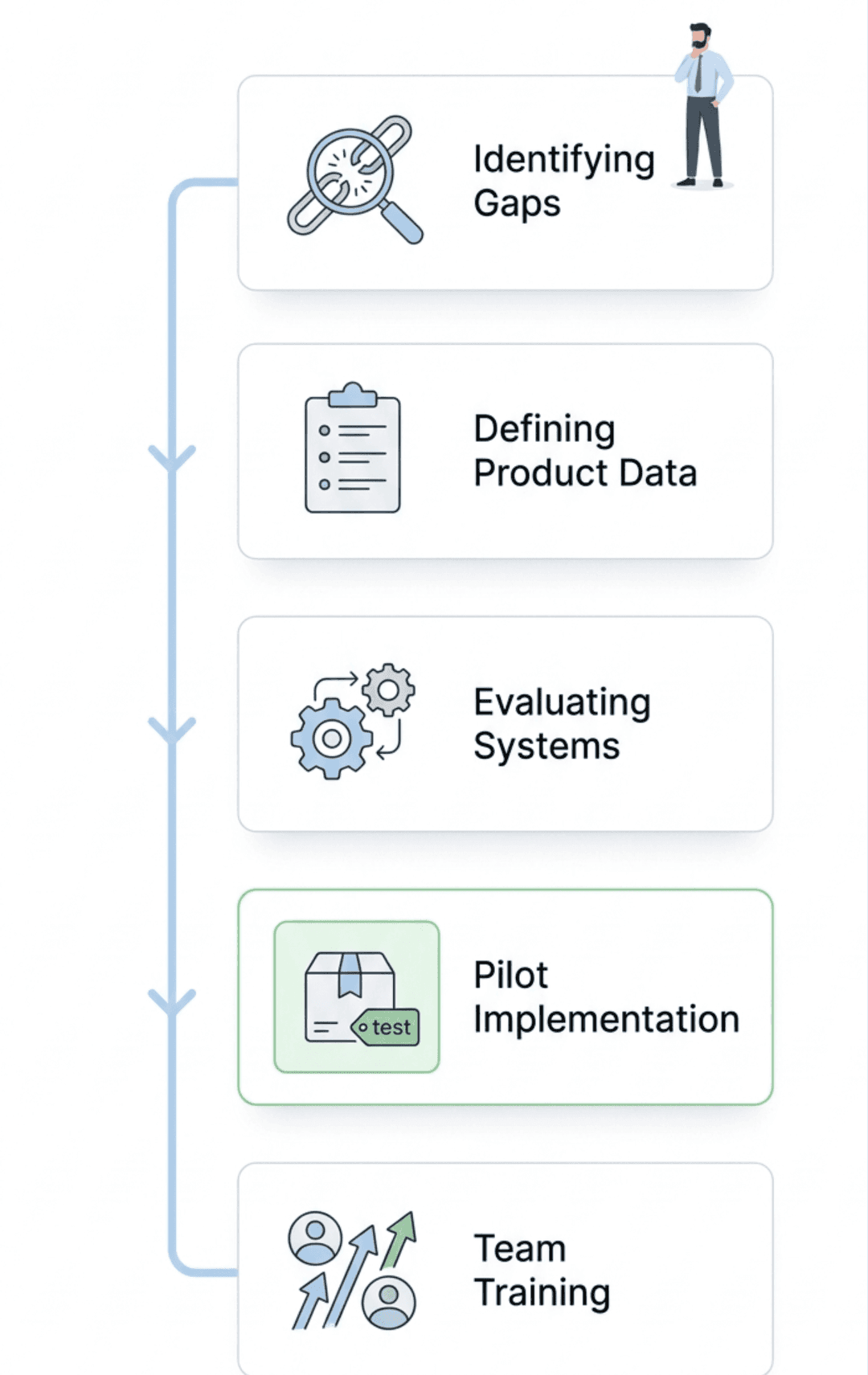
Businesses can begin improving visibility with a few structured steps:
Platforms based on GS1 standards support consistent data capture and sharing. They also integrate with existing systems, making implementation easier. Starting small helps businesses achieve early success and scale gradually.
It provides visibility into product movement and data, improving decision-making and reducing risk.
They maintain structured records required for audits, certifications, and regulatory reporting.
Yes. Many solutions integrate with current ERP, WMS, and inventory platforms.
Food, healthcare, retail, and export-driven sectors benefit significantly.
Many businesses see efficiency gains and risk reduction within the first few months.
Your email address will not be published. Required fields are marked *