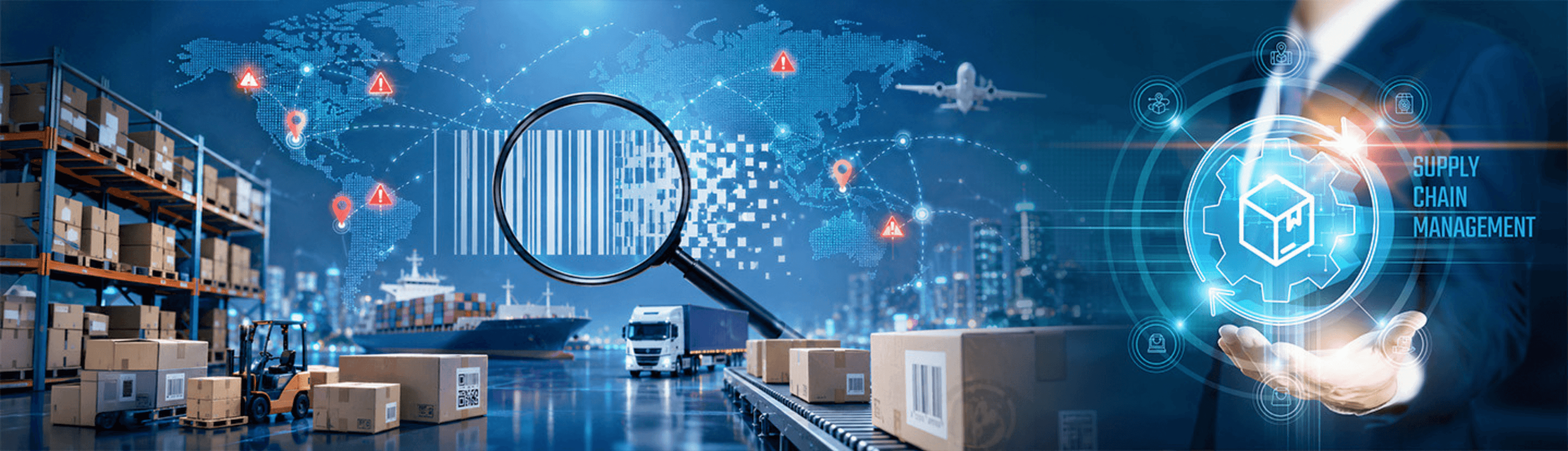

A shipment arrives at the warehouse, but the product details don't match the purchase records. The warehouse team pauses receiving. Procurement checks one system, the supplier checks another, and the inventory team starts comparing spreadsheets to find the difference. Nothing is wrong with the product itself. The problem is that different systems identify the same product differently. This is a common operational issue across manufacturing, distribution, and retail networks. It rarely attracts attention because products continue moving, although more slowly than they should. The real cost appears over time through manual corrections, delayed shipments, inventory discrepancies, and avoidable operational effort. For many businesses, these are not technology problems. They are product identification problems.
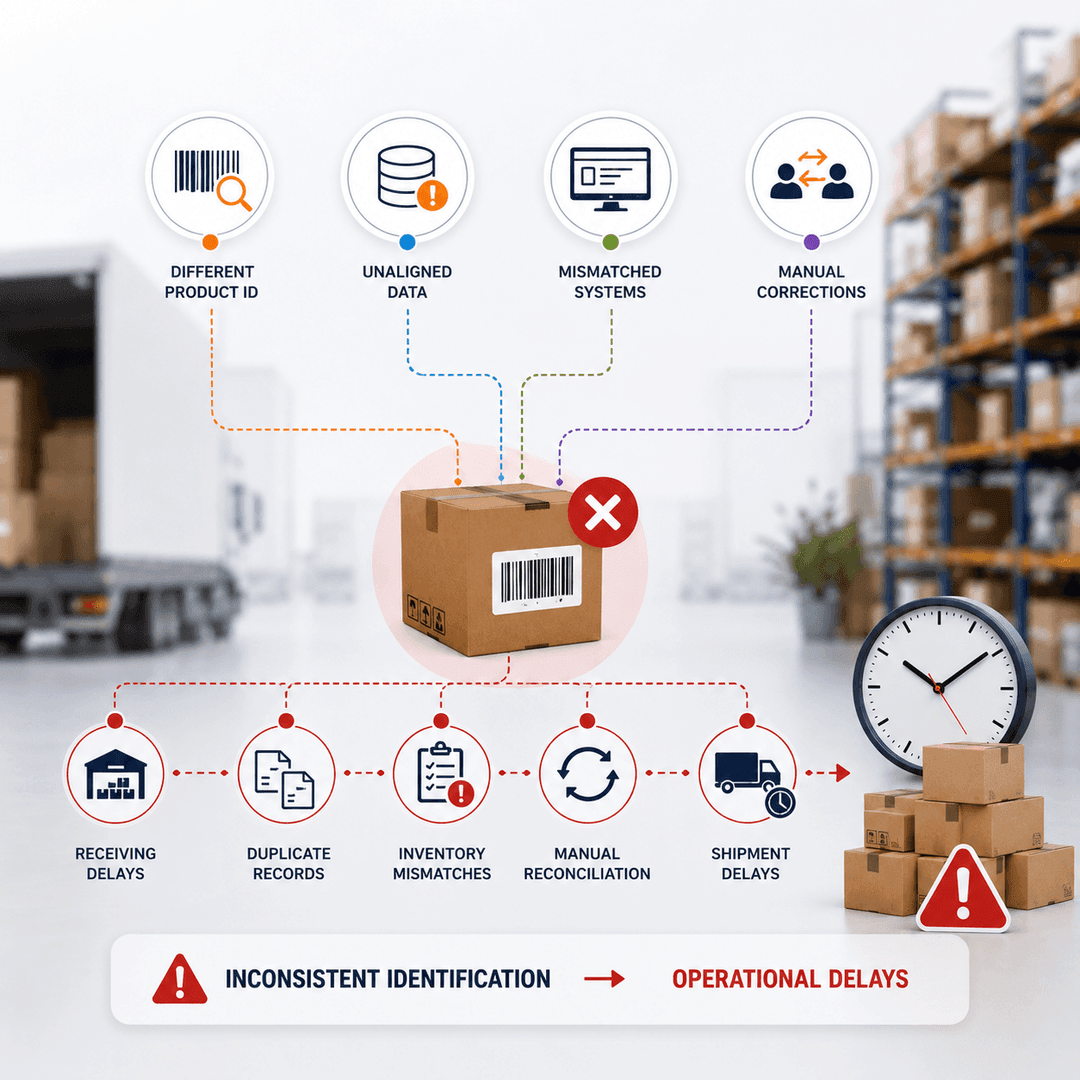
Every movement in a supply chain depends on products being identified consistently. Whether products are received, stored, shipped, or replenished, every system expects the same product information. When different teams work with different records, routine processes begin slowing down.
Common issues include:
Many organisations invest in supply chain technologies, expecting faster operations. However, technology can only process the information it receives. If product identification is inconsistent, operational delays often continue despite new system investments.
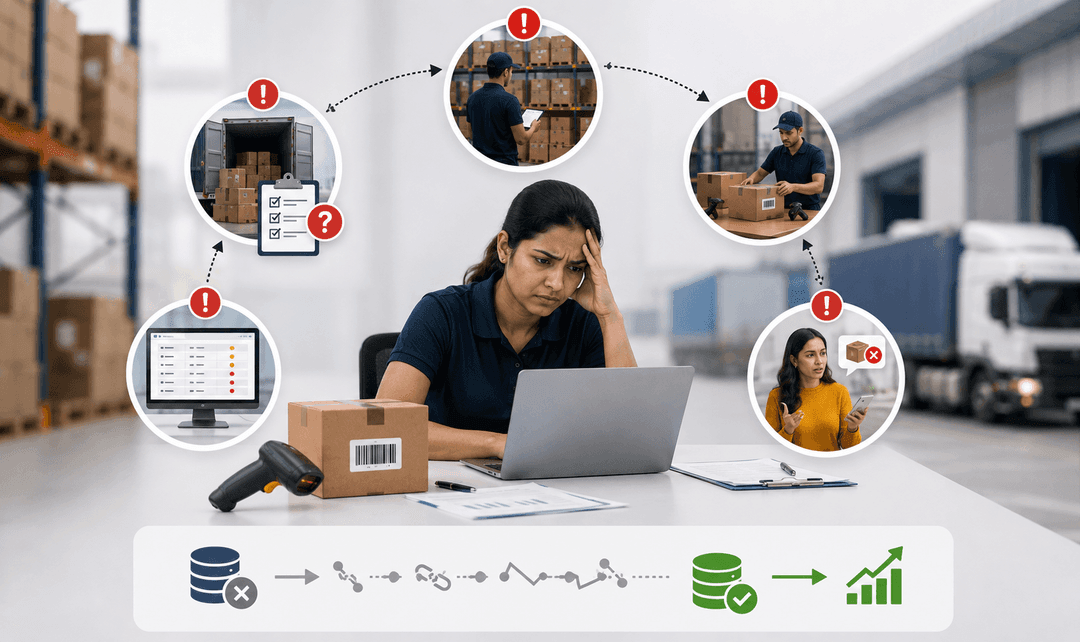
Most companies do not discover identification issues during implementation. They discover them during daily operations. A warehouse cannot match incoming inventory with purchase records. Distribution teams spend time validating product information before dispatch. Customer orders are delayed because inventory appears differently across systems. The result is additional operational effort that often goes unnoticed because each issue seems minor on its own.
Businesses implementing supply chain solutions frequently find that improving product identification delivers faster operational improvements than adding more software layers. Reliable information allows existing systems to perform more effectively.
One incorrect product record rarely creates a major disruption. Hundreds of small inconsistencies across suppliers, warehouses, and distributors do.
Over time, businesses may experience:
These hidden costs rarely appear as a single business expense. Instead, they accumulate through additional labour, slower decisions, and reduced operational efficiency. This is one reason organisations reviewing supply chain management practices are placing greater emphasis on product identification as a core operational process rather than an administrative activity.
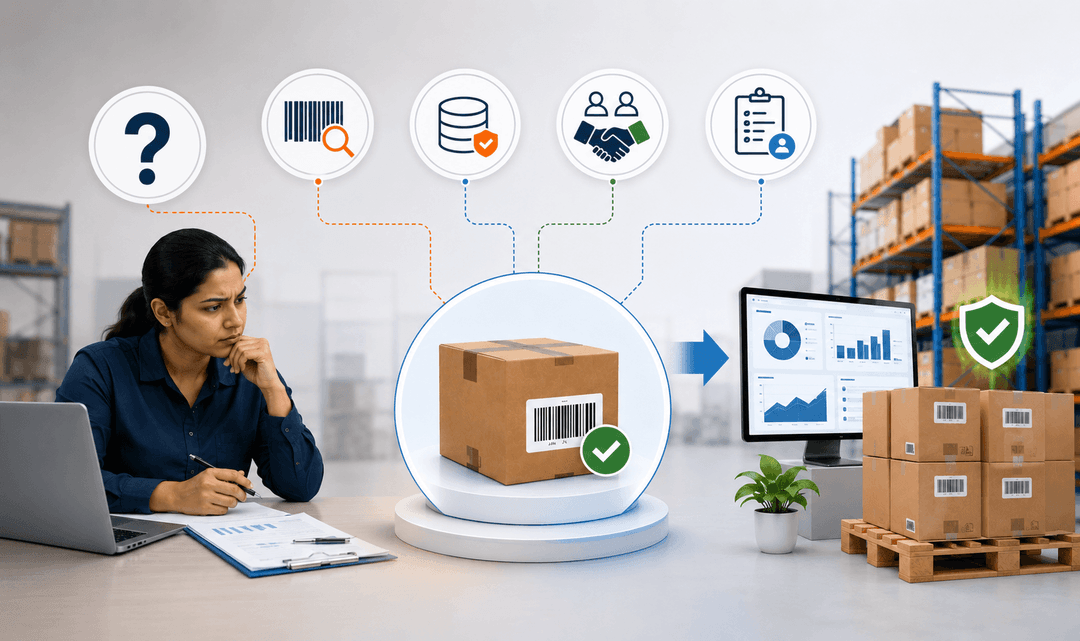
Many organisations respond to operational delays by investing in additional platforms. Often, the bigger opportunity lies elsewhere.
Before expanding technology investments, businesses should review:
Companies strengthening these foundations often see better results from existing supply chain solutions because operational processes become more consistent across the network.
It helps businesses maintain accurate inventory, reduce operational delays, and improve product movement across the supply chain.
It can lead to receiving delays, inventory mismatches, and additional manual verification.
Yes. Consistent product identification makes it easier to trace products across suppliers, warehouses, and distributors.
When systems contain inconsistent product records, teams often need to reconcile information manually.
Reviewing product identification practices and ensuring consistent product information across all business systems.
Your email address will not be published. Required fields are marked *