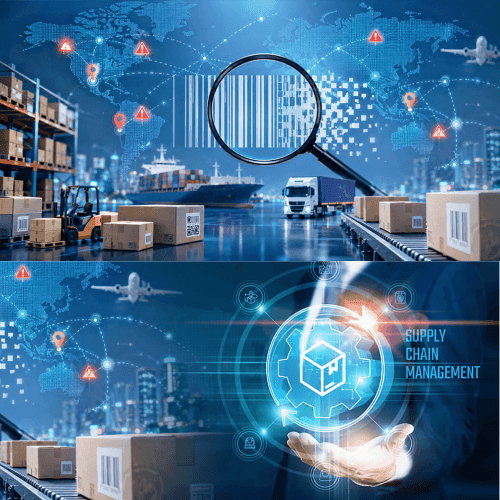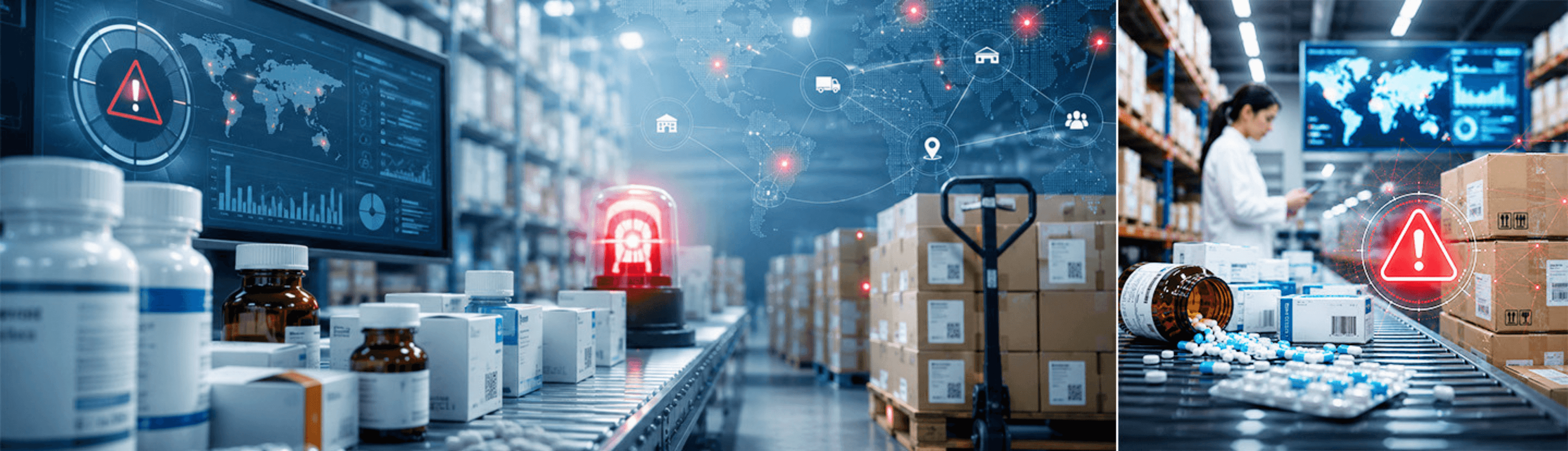

A product recall in pharma rarely becomes difficult because the decision takes time. The real delay usually starts after the decision is made. A quality issue is identified. A batch needs to be isolated. But instead of acting immediately, teams begin tracing records across warehouses, distributors, hospitals, and inventory systems to answer one basic question: Where exactly is the affected product batch right now? That is where response time starts slipping. For pharmaceutical businesses, recalls are not only about withdrawing products. They are about identifying affected inventory quickly while allowing unaffected inventory to continue moving. The challenge is that many organisations still depend on fragmented records and delayed visibility across locations. As healthcare supply networks become larger and more connected, recall speed increasingly depends on how accurately products can be identified and followed.
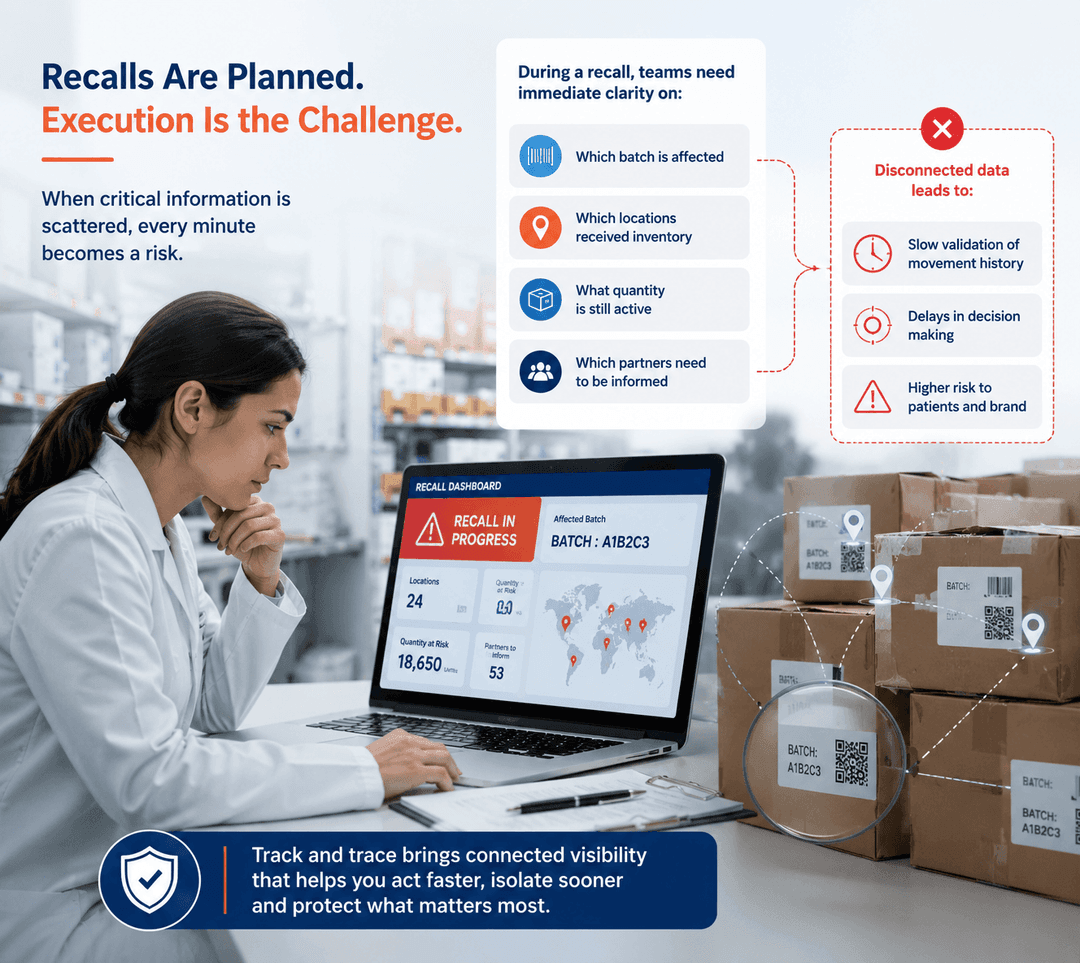
Most pharmaceutical companies already have documented recall processes. The difficulty usually appears during execution.
Once a recall begins, teams need immediate clarity on:
If that information sits across disconnected records, the process slows down. Instead of taking action, teams spend time validating movement history. This is one reason more businesses are investing in track and trace solutions. The goal is not additional reporting. It is reducing the time needed to locate and isolate affected inventory.
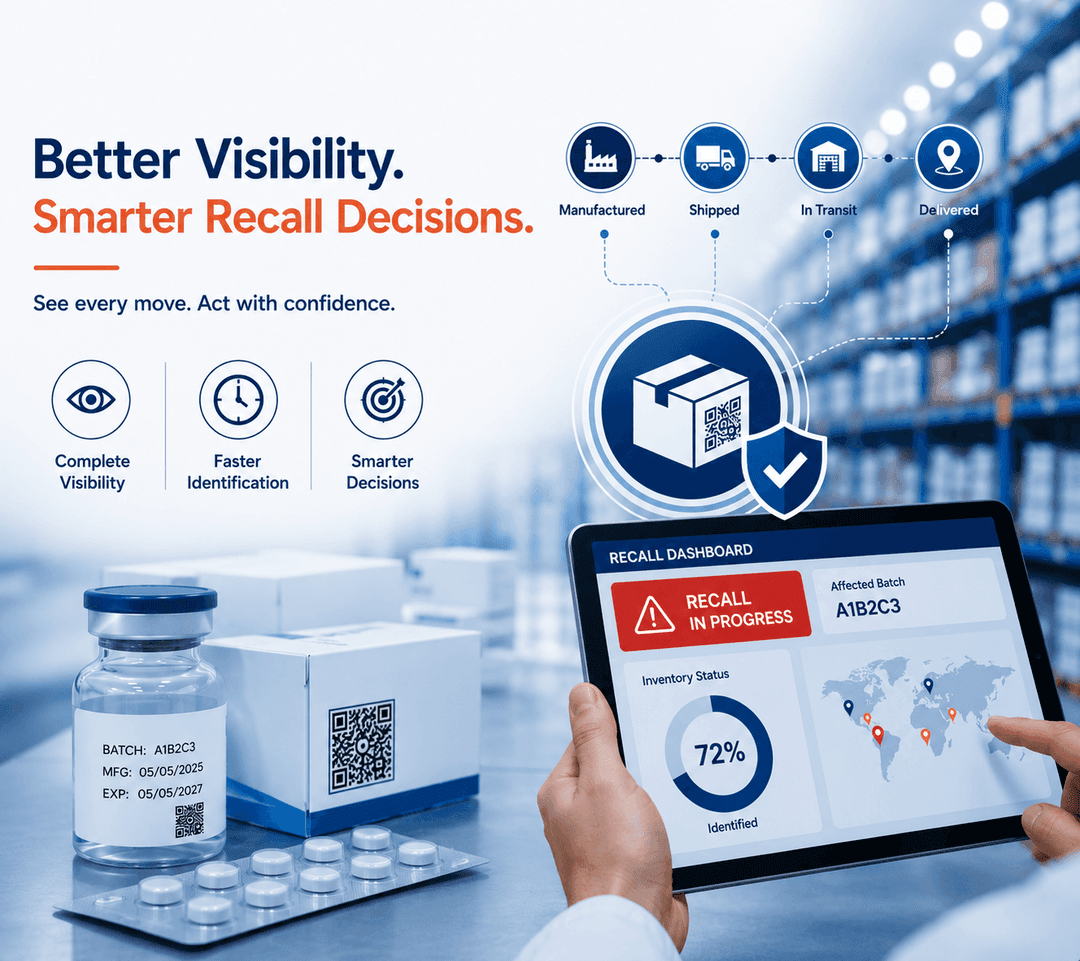
Product visibility changes the speed of decision-making. Inventory records alone do not help if businesses cannot understand movement.
Without that visibility, recall actions often become broader than necessary. That usually creates:
Businesses adopting track and trace solutions for the pharmaceutical supply chain are increasingly focusing on reducing uncertainty rather than increasing monitoring. The objective is simple: identify faster so disruption stays smaller.
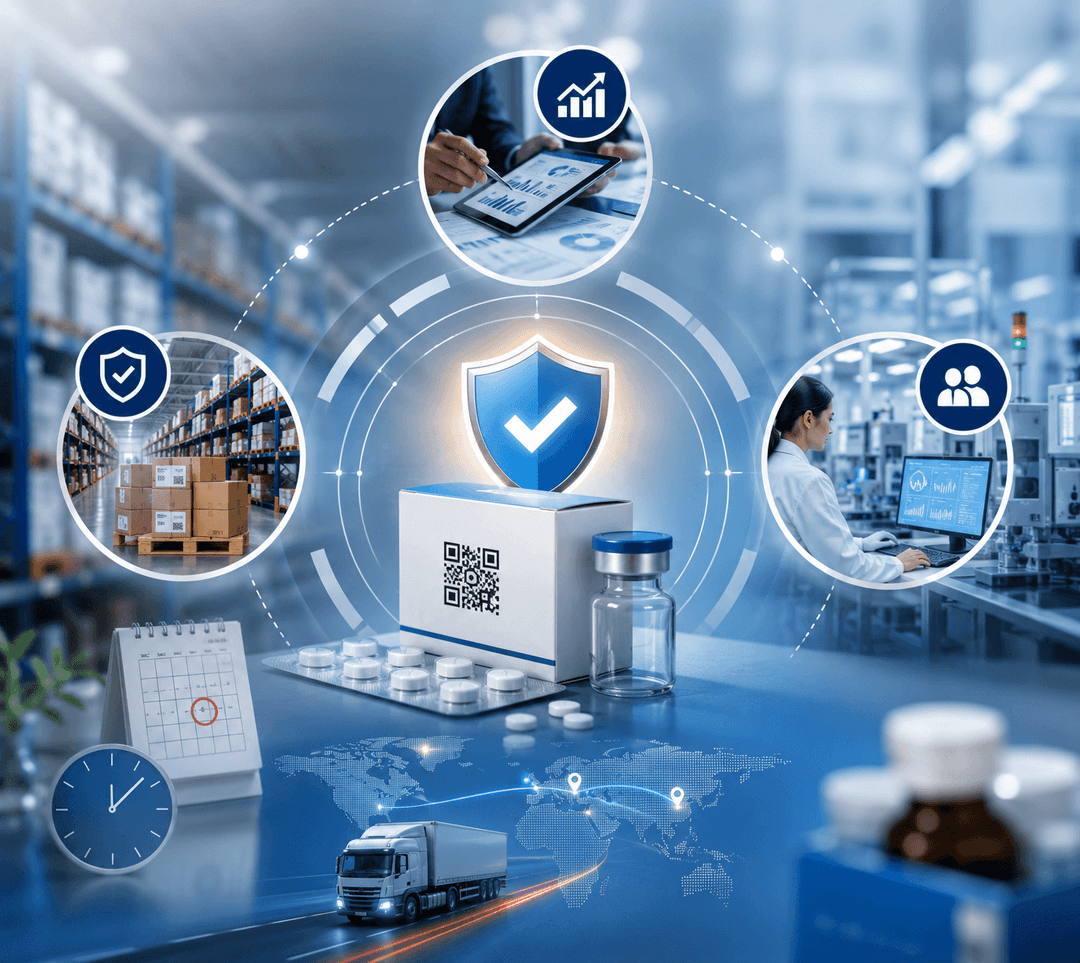
The biggest advantage of faster recalls is not speed alone; it is control. When affected inventory can be identified precisely, businesses avoid unnecessary disruption across unaffected stock.
That helps teams:
This is becoming increasingly important in modern Supply chain management, especially in pharmaceutical environments where traceability expectations continue increasing. Better visibility usually leads to better response quality.
Product recalls usually slow down when companies struggle to identify affected batches across distributors, warehouses, hospitals, and inventory locations quickly and accurately.
Traceability improves visibility by helping businesses track product movement, identify affected inventory faster, and reduce time spent on manual verification.
Delayed recalls can interrupt product availability, increase inventory isolation, extend investigation timelines, and create additional workload across teams
As pharmaceutical distribution networks expand, businesses need better visibility and faster access to product movement data to support compliance and operational continuity.
Improving product identification, strengthening movement visibility, and maintaining more connected inventory records can help businesses respond more efficiently during recalls.
Your email address will not be published. Required fields are marked *