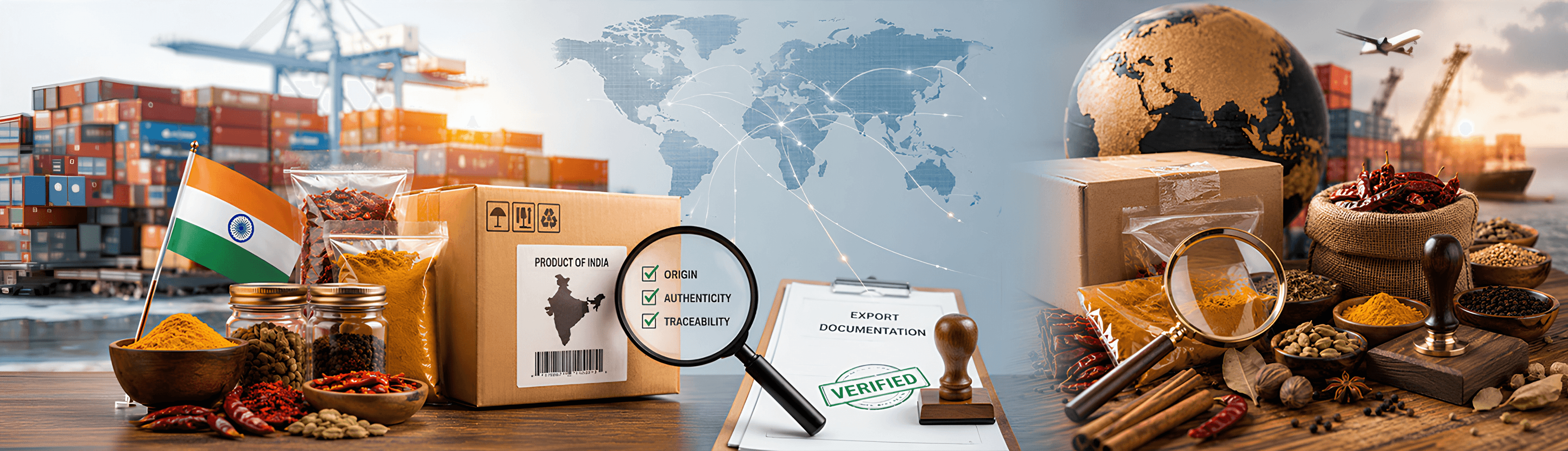

A shipment reaches an overseas buyer on schedule. Packaging is approved, documentation is submitted, but before onboarding moves forward, the buyer asks for something unexpected: Can you show where this batch came from? Not the region; not the brand story, but the actual product journey. For many Indian food exporters, this is becoming a familiar checkpoint. Export conversations are changing. Buyers are no longer evaluating food products only on price, quality, or availability. They increasingly want confidence in sourcing, processing, movement, and product authenticity - especially in categories where origin directly influences trust. That shift is pushing exporters to think differently about how product information is managed. This is one reason food traceability in India is becoming more important as a business capability rather than just a documentation exercise. Because in food exports, proving origin is increasingly becoming part of winning business.
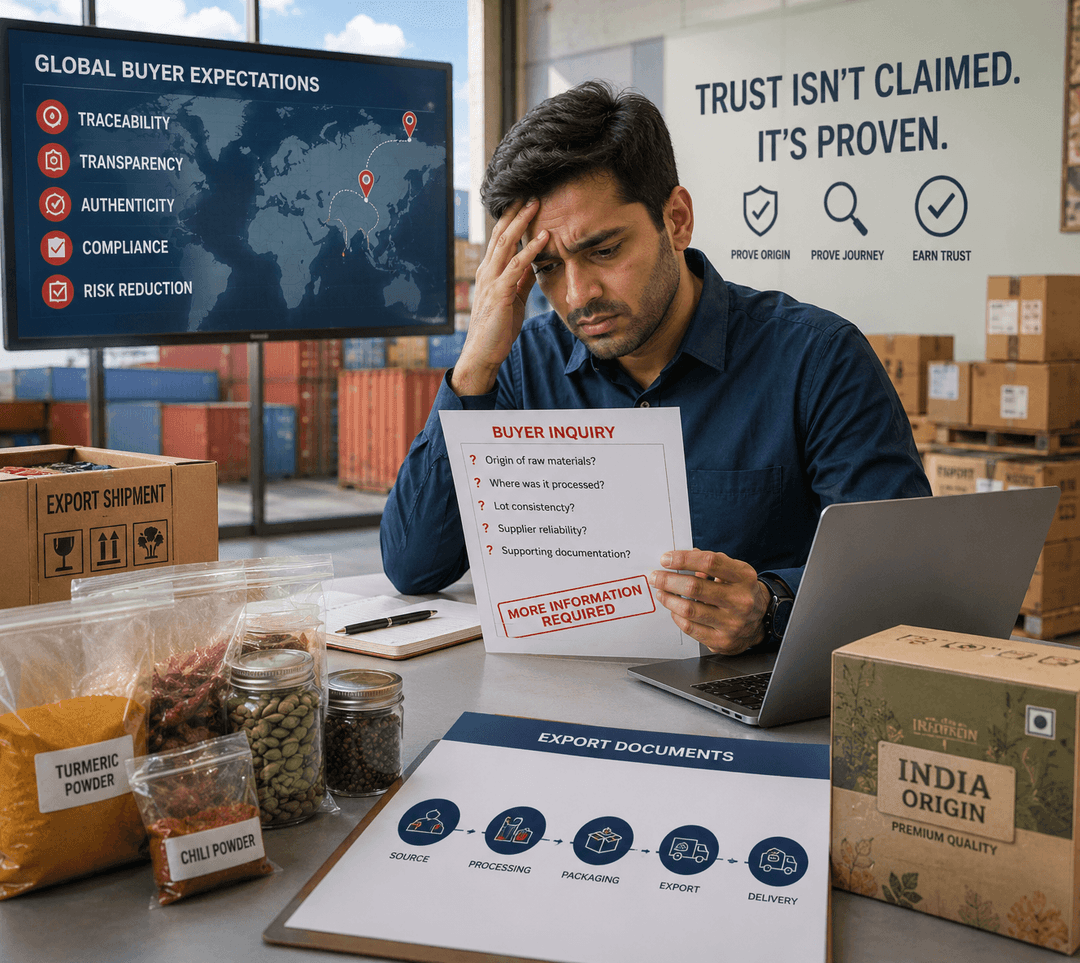
Food products move through multiple stages before reaching international shelves. Raw material sourcing, processing, packaging, storage, export handling, and distribution all create opportunities for information gaps.
Buyers are becoming more cautious because they want to reduce risk around:
This pressure becomes stronger in categories such as spices, processed foods, packaged agricultural products, and private-label exports. When buyers cannot connect products to reliable information, approvals slow down and additional validation requests become common. Exporters are increasingly expected to demonstrate not only what the product is, but where it came from and how it moved.
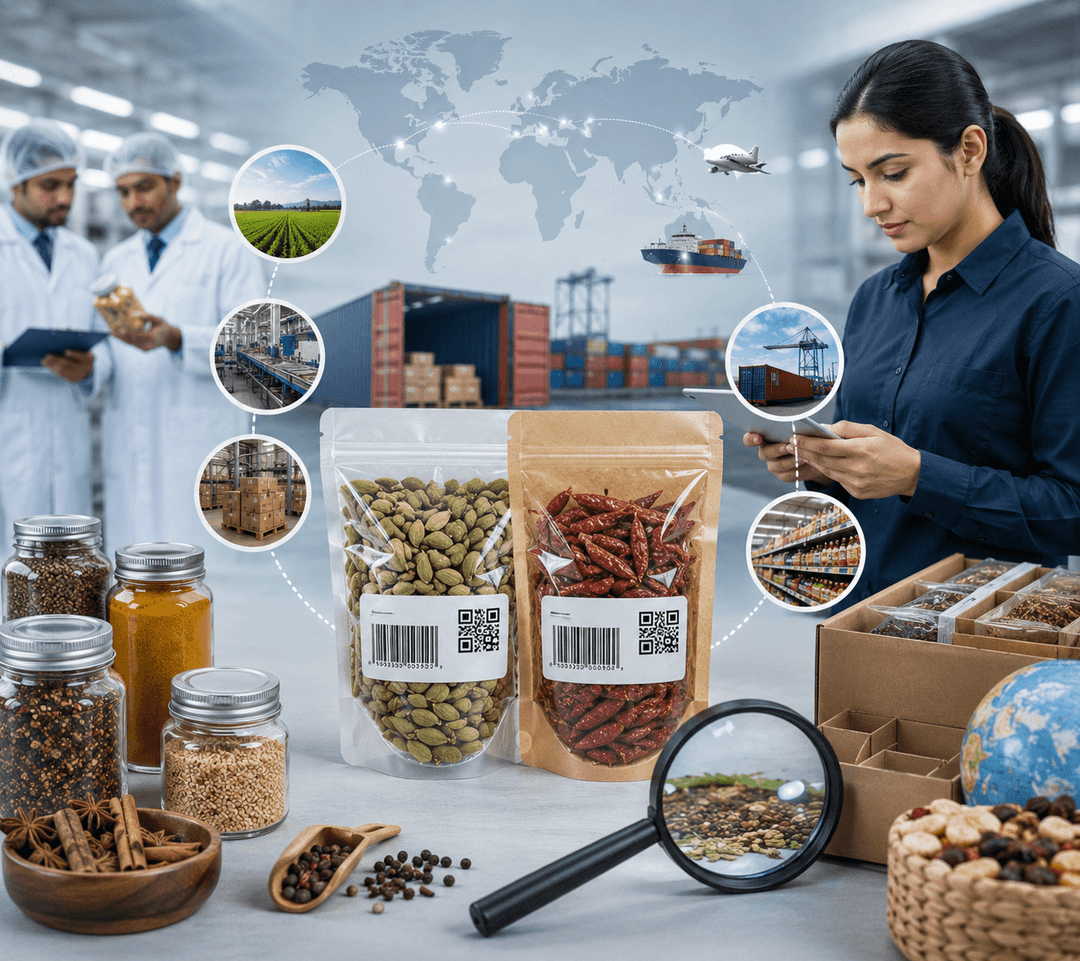
Food products create a different challenge compared to many other industries. Two packs may look identical but belong to different sourcing lots, processing cycles, or export consignments. That difference matters during:
A structured barcode for food product identification helps maintain consistency between physical products and the information attached to them. That becomes especially useful when exporters manage multiple SKUs, changing packaging formats, or shipments across different markets. The goal is not simply assigning product identity; it is making product information easier to trust.
Many exporters initially approach barcodes as a packaging requirement. But export operations create broader questions.
This is why exporters are paying closer attention to different barcode types and how they support information continuity across supply chains. Similarly, using only a product barcode generator may help generate barcode artwork, but export operations increasingly require stronger product-linked information beyond the printed code itself. The expectation today is not just readable packaging; it is reliable product identity.
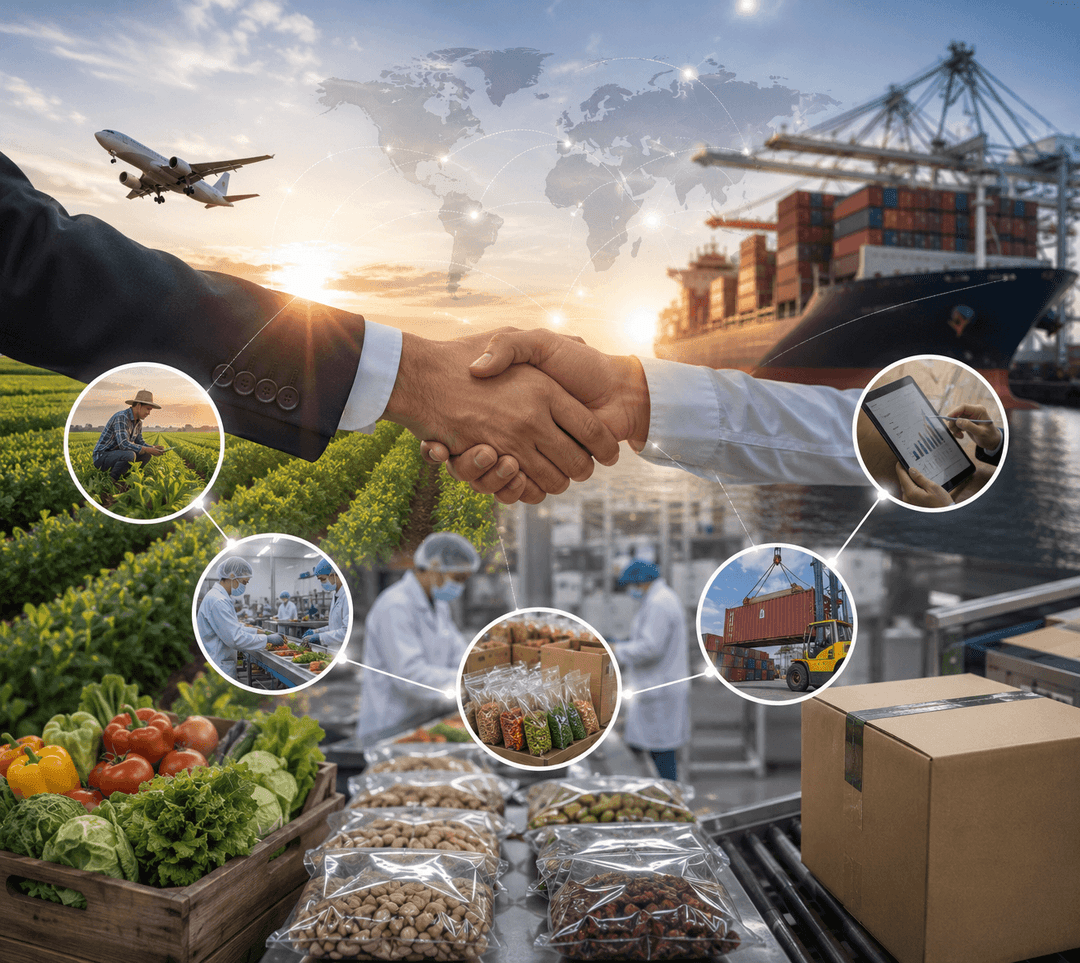
Food exports depend heavily on trust. When exporters can maintain stronger product information consistency, conversations with buyers change. Instead of responding to repeated verification requests, teams move faster through onboarding and approvals.
Operationally, stronger visibility supports:
Over time, this reduces friction across export processes and improves confidence across trading relationships. Because buyers increasingly expect transparency before they commit to scale.
Buyers want stronger confidence in product origin, product authenticity, and export reliability.
It helps maintain consistent product information across export and distribution stages.
Barcodes support identification, but authenticity also depends on reliable product records.
It helps exporters respond faster to verification requests and maintain consistency.
It improves buyer confidence and reduces friction during onboarding and approvals.
Your email address will not be published. Required fields are marked *