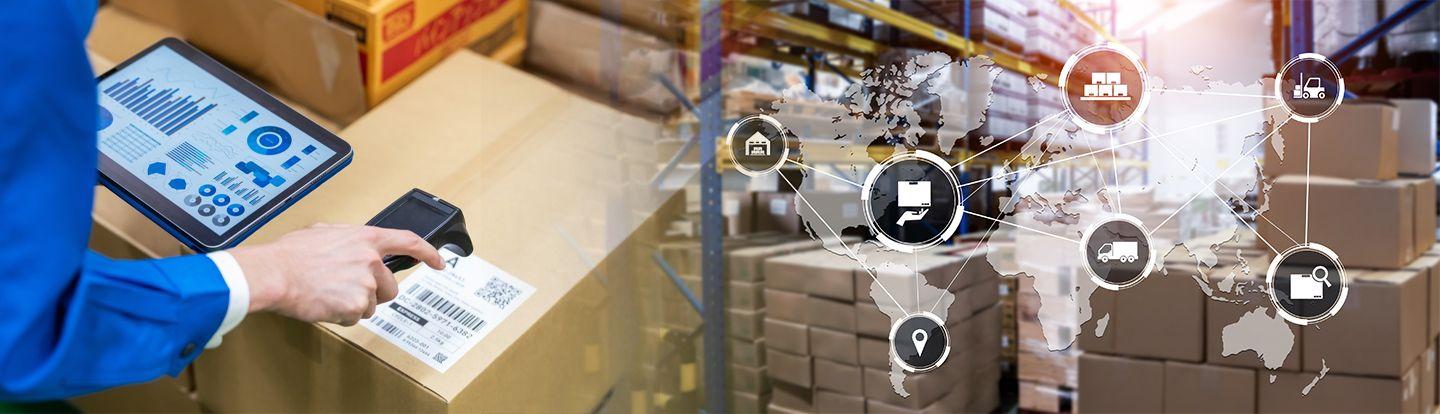

Small businesses today face growing pressure to ensure product safety and transparency. Customers want to know where products come from and whether they are safe to use. Regulators expect clear documentation and accountability across supply chains. At the same time, supply chain networks are becoming more complex. Without visibility, small issues can quickly become major problems. A missing batch record can delay shipments. A quality issue can lead to recalls and loss of trust. This is why traceability solutions are becoming essential for modern businesses. These systems help track products from origin to end-consumer. They create visibility across production, storage, and distribution. Many companies are also exploring Blockchain Traceability as a secure way to share supply chain data across partners. Understanding these systems can help small businesses improve control and credibility.

Traceability is the ability to follow a product’s journey through the supply chain. It records where a product was produced, how it moved, and where it was delivered. This helps businesses maintain control and respond quickly to issues.
For small businesses, traceability improves quality control and builds customer confidence. It also supports compliance in regulated sectors such as food and healthcare. When data is structured and accessible, businesses can identify problems faster and take corrective action.
Reliable traceability solutions allow businesses to answer key questions quickly. They can identify product origins, track shipments, and verify supplier information. Many businesses use standards developed by GS1 to maintain consistency across systems. These standards ensure product data is accurate and easily shared with partners.

An effective traceability system is built on a few essential components. Each element works together to create a clear and reliable product history.
Key components include:
When these elements are in place, businesses gain full visibility of product movement. They can trace items forward or backward across the supply chain. Systems based on GS1 standards help ensure accuracy and interoperability between partners.
Some businesses are also exploring Blockchain Traceability to strengthen data integrity. This technology records supply chain events in a secure and tamper-resistant format. It helps partners trust shared information and reduces disputes.
Frameworks aligned with GS1 standards make it easier for small businesses to maintain reliable records and prepare for future digital supply chains.
Small businesses can begin improving traceability without major investment. Simple steps can create significant value.
Assign unique identifiers to each product and packaging level.
Using systems aligned with GS1 standards helps maintain accuracy and consistency. It also simplifies collaboration with partners and retailers. As businesses grow, these foundations support advanced tracking and reporting.
Blockchain is a digital ledger that stores information securely across multiple systems. Once data is recorded, it becomes very difficult to alter. This creates a trusted record for all participants in the supply chain.
Blockchain Traceability uses this technology to log product events and transactions. Each authorised partner can access the same verified history. This improves transparency and simplifies audits.
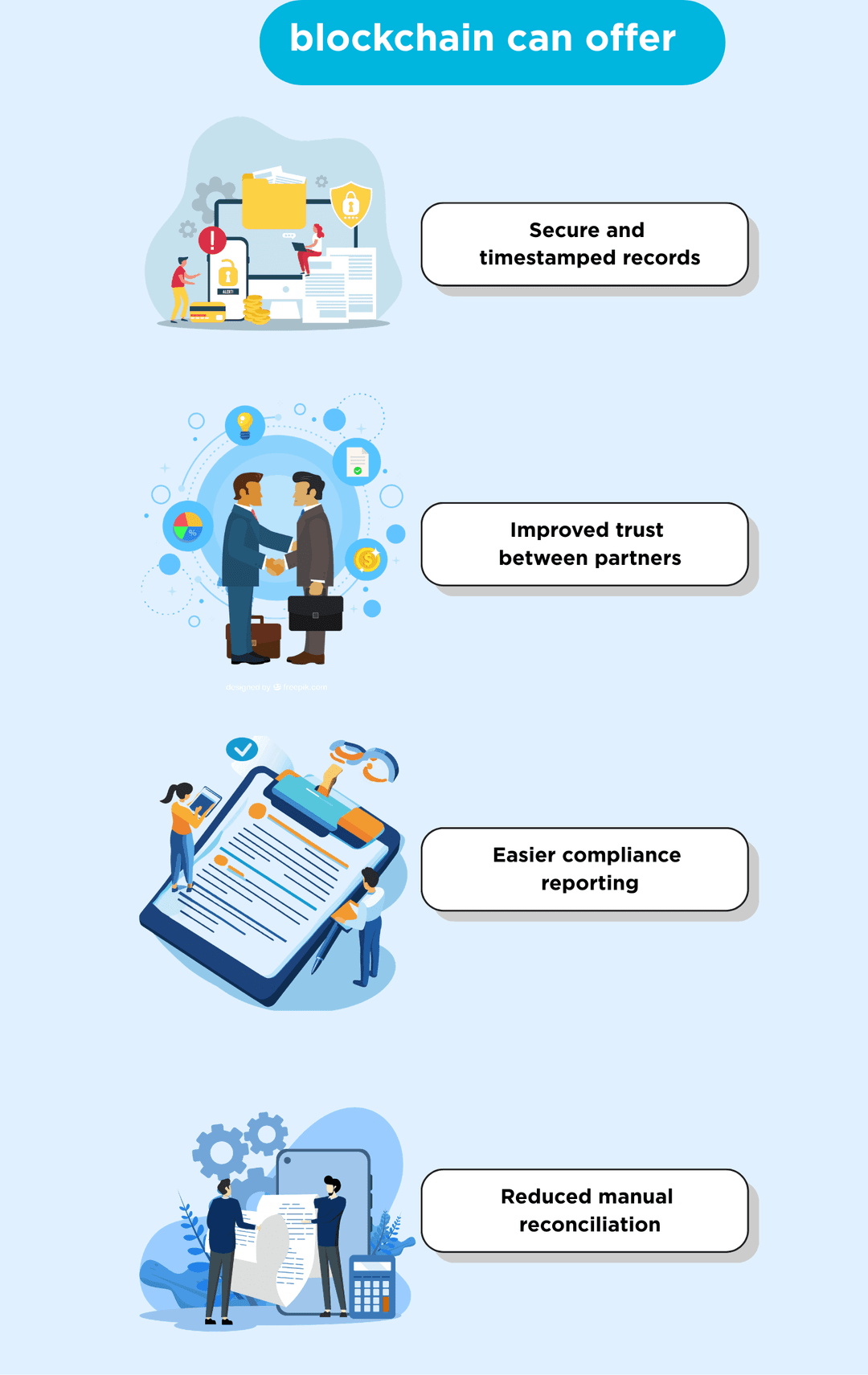
For small businesses, blockchain can offer:
While blockchain is not mandatory for all businesses, it is gaining importance. Many modern traceability platforms are evolving to support such technology. Using structured standards from GS1 ensures businesses remain ready for these future integrations.
GS1 frameworks provide the foundation needed for consistent data capture and sharing. This supports long-term visibility and reliability.
They are systems that track product movement and data, helping prevent errors and improve compliance.
It uses distributed ledgers to create shared, tamper-resistant records across partners.
No. Basic structured traceability is enough for many businesses.
It ensures consistent product data across systems and retail platforms.
Start with unique product identifiers and consistent event logging before scaling further.
Your email address will not be published. Required fields are marked *